Natural metal roofs, formed in house
Copper Roofing in Dallas and Zinc Roofs: Standing Seam, Flat Lock and Diamond Panels
Copper and zinc roofs carry no paint to fade or chalk; the metal weathers into its own patina. Permanent Metal Roofing Systems forms and installs both across Dallas-Fort Worth, as mechanically seamed standing seam for whole roofs and low slopes, and as flat lock and diamond panels for turrets, bays, mansards and other accent roofs.
- 20+ years of experience
- Lifetime limited warranty
- Free written estimates
Which copper and zinc roof systems does PMRS install?
Three: mechanically seamed standing seam for main roofs and low slopes, flat lock pans for curves and steep shapes, and diamond panels for patterned turrets and dormers. Our snap lock comes in steel and aluminum only, so copper and zinc standing seam is always machine seamed.
| System | Copper | Zinc | Slope and deck | Typical use |
|---|---|---|---|---|
| 1″ mechanical lock | 16 oz | Rheinzink, .7 or .8 mm | Down to 1/2:12, solid deck | Bay and porch roofs, dormers, small accent roofs |
| 1.5″ mechanical lock | 16 oz | Rheinzink, .7 or .8 mm | Down to 1/2:12, solid deck | Whole roofs and long runs |
| 2″ mechanical lock | 16 or 20 oz | Rheinzink, .7 or .8 mm | Down to 1/2:12, solid deck or open framing | Large residential and commercial roofs |
| Flat lock pans | Typically 16 or 20 oz | Typically .7 or .8 mm | Steep slopes only | Turrets, cones, curved bays, mansards |
| Diamond panels | Typically 16 or 20 oz | Typically .7 or .8 mm | Steep slopes only | Turrets, cupolas, dormer faces, gables |
Standing seam pans run 12 to 20 inches wide (12 to 18 on the 2-inch profile) and are seamed at 90 or 180 degrees, with a 45-degree option on the 2-inch panel. Flat lock and diamond weights are typical and confirmed on your estimate. Seam types are compared on our mechanical lock page.
Standing seam in copper or zinc
Long pans run eave to ridge, and a power seamer folds each seam closed over floating clips that let the pan slide as it heats and cools.
Flat lock pans
Small flat pieces with all four edges folded so each hooks into its neighbors, held by concealed cleats in staggered courses. Small pieces let flat lock follow a cone, curve or tight mansard that a long pan cannot.
Diamond panels
Squares turned on point, so joints run diagonally and water drains off each lower tip. The pattern reads from the street, which suits a turret or dormer face meant to stand out. Neither flat lock nor diamond work belongs on a low slope.
Copper or zinc: which metal suits your home?
Copper suits warm brick, stone and traditional architecture and darkens with age; zinc settles into a quiet blue-gray that fits modern and European-inspired designs. Both are soft, both move more with heat than steel, and both last for decades when the details are right.
| Feature | Copper | Zinc (Rheinzink) |
|---|---|---|
| When new | Bright, salmon-pink penny tone | Bright metallic, or pre-weathered gray if ordered that way |
| As it weathers | Browns in the first months; green verdigris takes many years | Dulls to an even blue-gray |
| Thickness | 16 oz is about 0.0216 inch, close to 24-gauge steel; 20 oz is about 0.027 inch | .7 mm is about 0.028 inch; .8 mm about 0.031 inch |
| Movement with heat | Roughly half again as much as steel | Close to twice as much as steel |
| Clips and fasteners | Copper, or stainless steel | Stainless steel or zinc-compatible galvanized |
| Keep it away from | Aluminum, zinc, galvanized and Galvalume steel, above all downhill | Copper and its runoff, wet mortar or cement, acidic woods such as red cedar |
| Runoff | Stains light stone, brick and concrete green-blue | Mild on most surfaces |
| Style fit | Tudor, French, Georgian and Victorian homes | Modern, contemporary and transitional homes |
How will copper or zinc weather in North Texas?
Slowly, and a little unevenly at first. New copper goes from penny-bright to brown within months; green verdigris needs years of wet and dry cycles, longest on steep or sheltered faces. Zinc dulls to a soft blue-gray.
Moisture drives the change. Roughly 36 inches of rain falls on DFW in an average year, spread over about 80 days, and humidity averages near 62 percent, drier than the coastal towns where copper greens fastest. Plan on a rich brown copper roof for a long time.
That patina is the metal protecting itself, so leave it alone; pressure washers, wire brushes and household cleaners strip it and leave blotches. A clear coating can hold the new color for a while, but it wears and must be renewed.
Which metals and fasteners can touch copper or zinc?
Only compatible ones, because dissimilar metals corrode each other wherever water connects them. Copper is the more noble metal in nearly every roof, so zinc, aluminum and galvanized or Galvalume steel give way first where they touch copper or sit in its runoff.
- Copper roofs get copper cleats, copper or stainless steel fasteners, and copper flashing and trim.
- Zinc roofs get stainless steel or zinc-compatible clips and fasteners and zinc flashing.
- Water runs one way: a copper bay below a painted steel roof is fine, but a steel, aluminum or zinc roof below copper is not.
- Where two metals must meet, at a wall flashing or a mounting bracket, we separate them with a non-conducting layer.
- Steel screws or brackets added later can start corrosion, so ask before anyone fastens to the roof.
We lay high-temperature underlayment rated for metal in Texas heat, and under zinc we follow the maker’s guidance on a separation or ventilating layer so the back of the sheet can dry. Flashing is formed from the roof’s own metal; see our flashing and eave flashing pages.
Where do copper and zinc roofs fit in Dallas-Fort Worth?
Mostly on high-end and historic homes where slate, tile or standing seam is already common, and as accents on brick or stone fronts.
In Highland Park and University Park, estate homes from the 1910s to 1940s, many in Tudor and Georgian styles, stand beside large modern rebuilds, and both towns enforce their own building codes and architectural rules instead of HOAs. Copper bay roofs, entry canopies and turrets suit that housing, as they do larger custom homes in Dallas neighborhoods such as Preston Hollow.
Farther out, custom homes in Heath answer to HOAs with strict architectural standards. In Lucas and Parker, where estate lots of an acre or more are common, large, complex roofs leave room for a zinc or copper accent.
Two local facts shape the plan. Hail: baseball-size stones struck the Park Cities on June 13, 2012, and these metals dent, so we favor steep turrets, bays and sheltered accents and heavier copper on exposed spots. PMRS has not published impact ratings for its copper or zinc profiles; see hail damage and insurance claims. Approvals: a copper accent is a material change, so we prepare samples and drawings for your HOA or city; our HOA approval guide covers the process.
How does PMRS form and install copper and zinc?
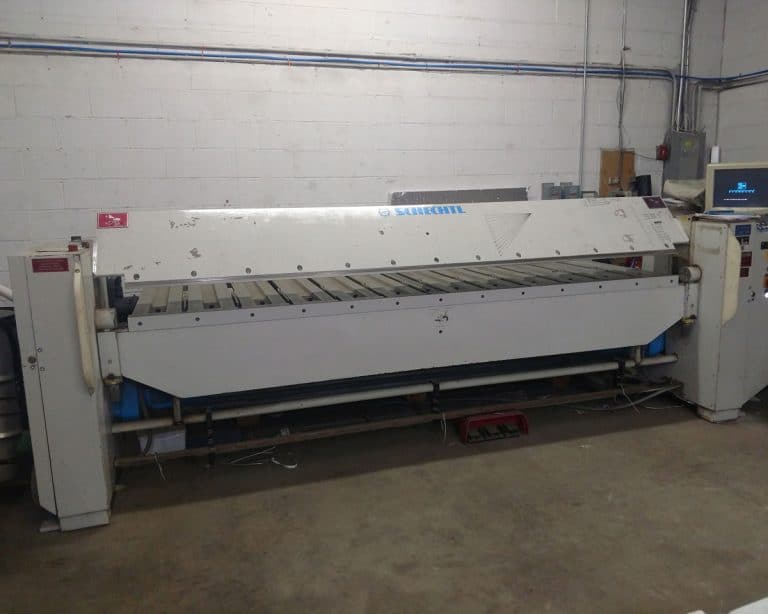
In house, from coil to roof. Standing seam pans come off our roll formers in Mesquite, or off the mobile roll former parked at your home. Trim, flashing, flat lock pans and diamond pieces are cut and folded on computerized equipment in our own shop, so every hem and corner repeats.
- Check the deck. Flat pans and diamonds show every bump, so uneven sheathing gets fixed first.
- Lay high-temperature underlayment, adding a separation sheet wherever the metal requires it.
- Snap layout lines so courses stay level and diamond rows stay square and centered.
- Set clips or cleats in the same or a compatible metal, then hook or seam each piece.
- Form ridge, hip, valley and wall flashing from the same sheet and lap it with the water.
Our installation process page covers the full sequence.
How long do copper and zinc roofs last, and what care do they need?
Detailed correctly, they are expected to outlast painted metal, since there is no finish to wear out. Care is mostly keeping water moving and incompatible metals away.
- Clear leaves from valleys and roof edges after storms and in the fall.
- Skip pressure washers, abrasive pads and strong cleaners.
- Keep foot traffic off the roof; soft metal creases under boots.
- Look the roof over after hail. Dents are usually cosmetic, but seams and flashing deserve a check.
- Have sealant joints at walls and chimneys checked every few years.
For standing seam roofs we put on, our Lifetime Non-Prorated Limited Warranty covers labor and material. It is transferable one time when the home sells and does not cover acts of God; hail, tornadoes, fire and flood are examples, and those belong with your insurer. Mechanically seamed systems seamed to specification can add an optional third-party weather-tightness warranty that you purchase. The 40-year finish warranty on our standard PVDF colors applies to painted metal only, since copper and zinc carry no paint. Ask how coverage applies to flat lock and diamond work.
Copper, zinc or painted steel: which should you choose?
Choose by exposure, look and budget. Painted 24-gauge steel standing seam is the tougher pick for a main roof that takes the full force of spring hail, in any shade on our color chart. For a warm copper tone without real copper, several metal shingles and shakes come in copper-colored finishes.
Pick real copper or zinc for a roof that changes with age or a detail that suits historic architecture. Many owners mix them: a painted steel main roof with a copper bay or zinc entry roof. Your free, written, itemized estimate lays out each option.
Copper and zinc roofing questions
How does the cost of a copper roof compare with steel?
Copper and zinc cost well above painted steel, which is why many owners use them on accent roofs. Expect a free, written, itemized estimate once we have measured; the metal and weight, the system, roof height and pitch, and the curves and flashing details move it most.
Will a copper roof turn green in Dallas?
Some surfaces will, slowly. Copper here browns within months and can stay brown for years, because the green layer builds through repeated wetting and North Texas is drier than the coasts.
Can copper go next to a steel or aluminum roof?
Yes, if the metals never touch and water never carries copper onto the other one. A copper bay below a painted steel roof works; steel, aluminum or zinc below copper corrodes where the runoff lands.
Do copper and zinc roofs dent in hail?
They can. Both are softer than steel, so large stones leave dimples, though a weathered surface hides them better than bright new metal. PMRS has not published impact ratings for its copper or zinc profiles, so ask your insurer how it treats them before you commit.
Can flat lock or diamond panels cover a low-slope roof?
No. Their folded joints only shed water on a steep pitch. For a low-slope copper or zinc roof we use a mechanically seamed panel, which is rated for pitches down to 1/2:12 when laid on a solid deck.
Will copper runoff stain my stone or brick?
It can leave green-blue streaks on light stone, brick and concrete below it. We detail roof edges to throw water clear of masonry where the design allows and point out likely stain spots before you decide.
Does a copper accent roof need HOA or city approval?
Usually. Architectural committees review changes in roof material, and Highland Park and University Park apply their own building rules. We prepare samples and drawings for the review.
Planning a copper or zinc roof?
Send photos or plans of the turret, bay or roof you have in mind. We will suggest a metal, system and layout, then put the estimate in writing.
Get Your Free Metal Roof Estimate
Tell us about your roof. Our Mesquite office calls back the same business day to set up a free measurement and an itemized written estimate.
Prefer to talk now? Call (469) 466-2421.
Natural metal, formed and installed by one crew
Call (469) 466-2421 to talk through copper and zinc options for your home.