An HOA metal roof request in Texas is easier to win than it used to be. Since 2011, Texas Property Code Section 202.011 has kept homeowners associations from banning shingles built for hail resistance, energy savings or solar power. The catch: the roof still has to look like it belongs, and your HOA still gets to review it.
Below is what the statute says, where its limits are and how to build an application that is easy to approve. This is general information, not legal advice. For a dispute, talk with a Texas real estate attorney.
What does Texas Property Code 202.011 protect?
Section 202.011 stops a property owners’ association from prohibiting or restricting certain shingles where shingles are otherwise allowed. It covers shingles designed mainly to do one of three things:
- Resist wind and hail.
- Heat and cool the home more efficiently than ordinary composition shingles.
- Generate solar power.
The installed shingles must also meet three conditions. They must resemble the shingles used or allowed in the subdivision. They must be more durable than those shingles and equal or superior in quality. And they must match the look of the surrounding homes. House Bill 362 added the section, effective June 17, 2011.
Does the law cover standing seam or only metal shingles?
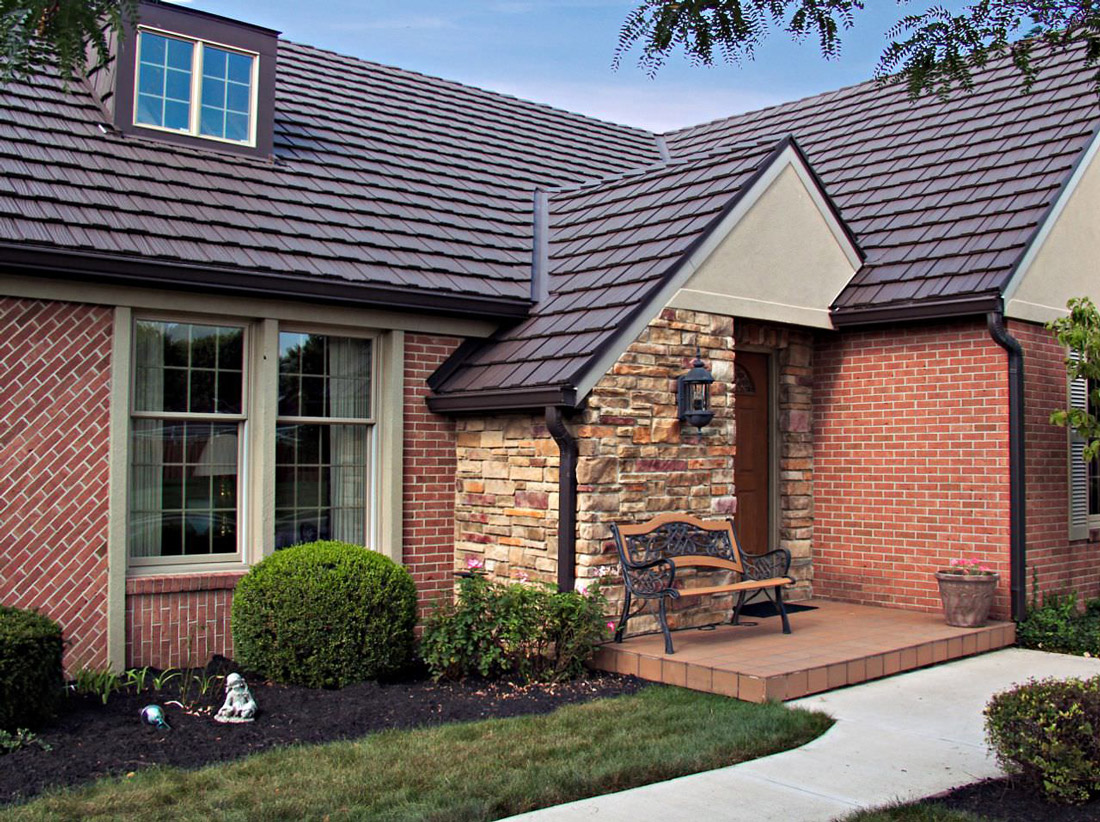
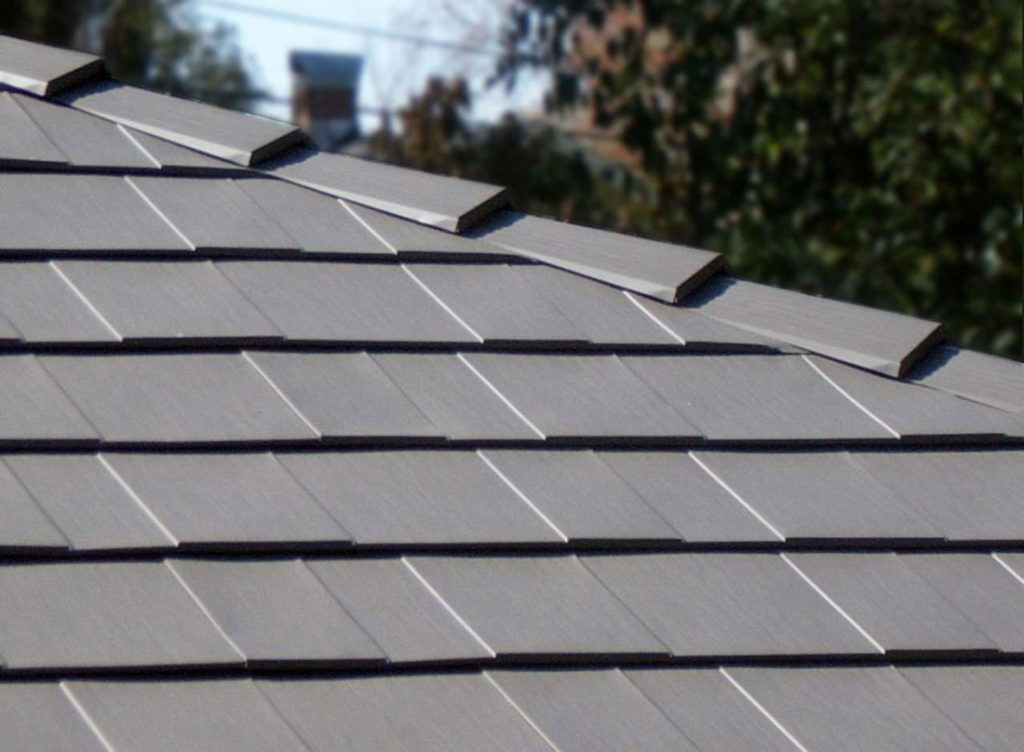
The statute says “shingles,” so metal shingles, metal shakes and stone-coated steel fit it most cleanly. These products are made to look like composition, wood or slate roofs. A hail-resistant metal shingle in a color close to your neighbors’ roofs makes a strong case under 202.011.
Standing seam panels are not shingles, so the statute is a weaker shield for them. Some associations approve standing seam anyway, especially in muted colors with a low-gloss finish. Treat it as a design-review request rather than a legal right, and lead with samples and photos.
| Roof type | Looks like | Fit with 202.011 |
|---|---|---|
| Metal shingles (Oxford, Rustic, Slate Rock Oxford) | Composition shingle or slate | Strong when color and profile match the street |
| Metal shakes (Country Manor Shake, EDCO ArrowLine Shake) | Wood shake | Strong in shake or rustic neighborhoods |
| Stone-coated steel (DECRA Shake, Shingle XD, Tile) | Shake, shingle or tile with a granule surface | Strong; the texture reads like composition |
| Standing seam (snap lock, mechanical lock) | Clean vertical panels | Not named in the statute; approval is case by case |
What can your HOA still control?
Quite a lot. The association can require an application, review the product and decide whether it meets the three conditions. “Resembles,” “equal or superior quality” and “matches the aesthetics” are judgment calls, and the architectural review committee makes the first call.
Expect the review to cover roof color, profile, trim color and gutter color. Some deed restrictions also set review timelines or require notice to neighbors. Read your declaration and design guidelines before you apply. Never start work until you have approval in writing.
What should you put in the application?
Make the reviewer’s job easy. A complete packet answers the three statutory conditions before anyone has to ask:
- The product name, profile and material, with the manufacturer’s data sheet.
- The manufacturer’s UL 2218 impact listing, if you rely on hail resistance.
- Cool Roof Rating Council values, if you rely on energy efficiency.
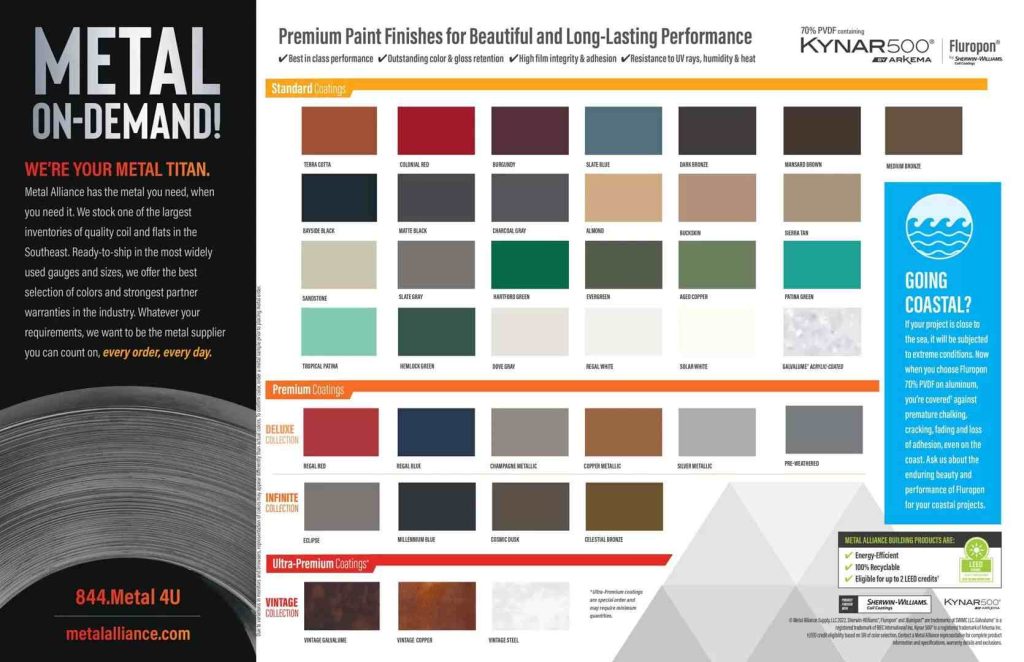
- The exact color name and a physical sample, plus trim and gutter colors.
- Photos of the product on a home similar to yours.
- A roof plan or simple drawing showing panels, trim and flashing.
- Finish and warranty details, such as a 30-year PVDF color warranty.
- A short, polite note that the request falls under Texas Property Code 202.011.
We can supply spec sheets and drawings for your packet, and our downloads page holds the panel PDFs. Our color chart shows the PVDF colors we form in-house, and we can help you get physical samples.
What if the HOA denies your metal roof?
Get the reasons in writing, then use the appeal the Property Code gives you. Under Section 209.00505, an association with more than 40 lots must send a written denial. It has to describe the basis in reasonable detail and list any changes that would earn approval. It must also tell you that you can request a hearing within 30 days.
If you ask, the board must hold that hearing within 30 days and give you at least 10 days’ notice. The board can affirm, change or reverse the committee’s decision. These rules do not apply while a developer still controls the association, so new subdivisions may follow different steps. Senate Bill 711 changed how committee members are chosen in 2025, but the hearing right remains.
If the denial cites color or profile, a revised submission with a closer color or a shingle-style product may resolve it. If it does not, a Texas real estate attorney can tell you how 202.011 applies to your deed restrictions.
How do the solar rules fit in?
Texas protects solar as well. Section 202.010 limits how far an HOA can restrict solar energy devices, and a 2025 amendment (House Bill 431) added solar roof tiles to that definition. Standing seam is a natural base for panels because clamp-on mounts attach to the seams without drilling through the roof. If solar is in your plans, say so in the roof application.
What this means for DFW homeowners
Many Dallas-Fort Worth subdivisions, especially newer master-planned ones, have HOAs with written design guidelines. In hail country, that review is worth working through. A metal shingle or stone-coated steel roof that resembles the street is the cleanest path under 202.011. Standing seam can work too, with the right color and a well-prepared packet.
- Read your declaration and design guidelines.
- Choose a product and color that resemble nearby roofs.
- Gather data sheets, impact listings, photos and samples.
- Submit the packet and keep copies of everything.
- Schedule the work only after written approval arrives.
To see which products carry impact ratings, visit our Class 4 metal roofing page. Our guide to Texas insurance discounts explains how carriers treat those ratings.
HOA and Metal Roof FAQ
Can an HOA deny a metal roof in Texas?
It can deny some metal roofs, but not every one. Texas Property Code 202.011 bars an HOA from prohibiting wind- and hail-resistant, energy-efficient or solar shingles that resemble the subdivision’s shingles, equal or exceed their quality and match the neighborhood’s look. A product that fails those conditions, such as one in a bold color, can still be denied.
Does Texas Property Code 202.011 apply to standing seam metal roofs?
Not clearly. The statute protects shingles, and standing seam panels are not shingles. Metal shingles, metal shakes and stone-coated steel fit the law far better. Standing seam can still be approved through normal design review when its color and finish suit the neighborhood.
How long does HOA roof approval take in Texas?
The roofing statute sets no deadline, so timing depends on your declaration and how often the committee meets. Some design guidelines set a review period. Submit a complete packet early, and set the roof start date after written approval arrives rather than before.
What happens if I install a metal roof without HOA approval?
You risk fines and other enforcement under your deed restrictions, and possibly a demand to change the roof. Even a roof that 202.011 protects can draw a violation notice if you skipped a required approval step. Apply first and keep the written approval with your house records.
Can my HOA require a specific roof color?
Usually it can regulate color, because 202.011 only protects shingles that match the aesthetics of the surrounding homes. Color rules should not become a back door to ban protected shingles outright, but they can steer you toward shades that fit the street. Bring physical samples and photos to the review.
Planning an HOA submission?
Get the Specs and Samples Your HOA Will Ask For
Book a free estimate and we will help you pick a product and color that fit your street, with the data sheets to back it up.