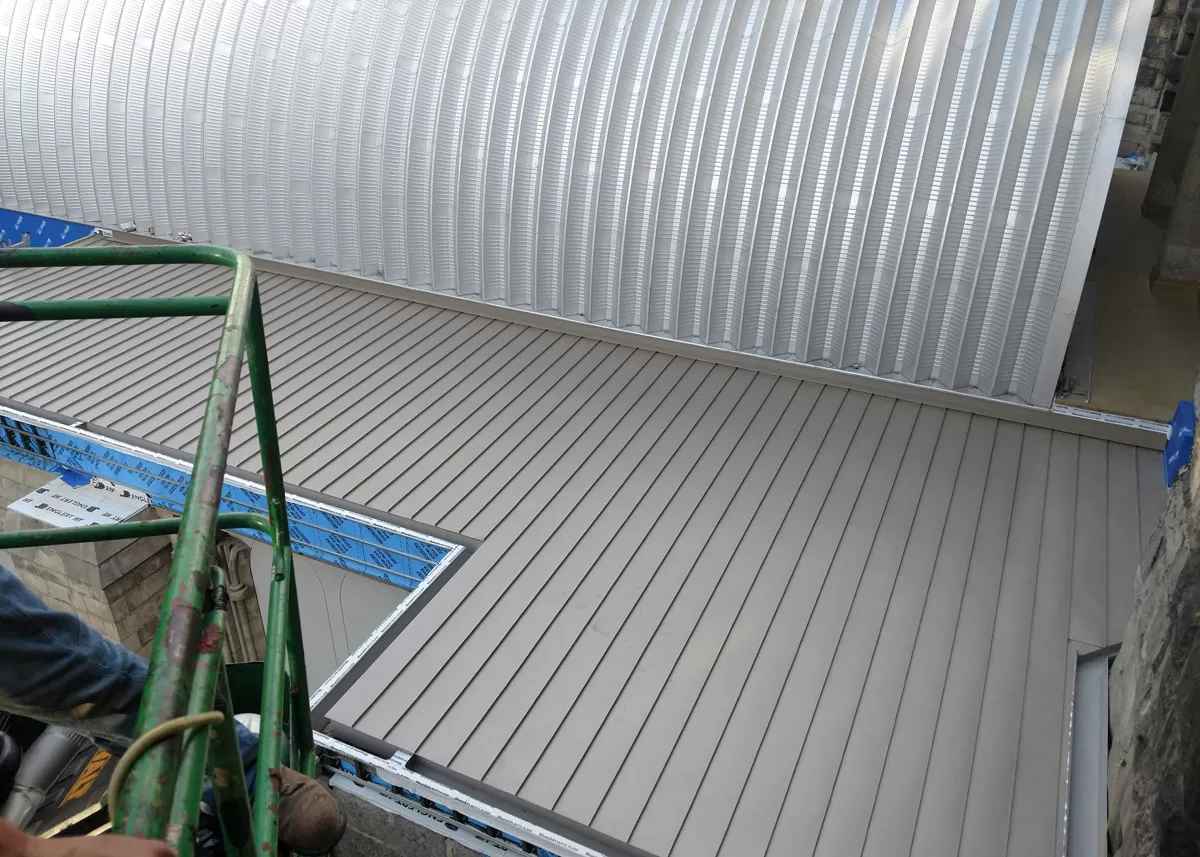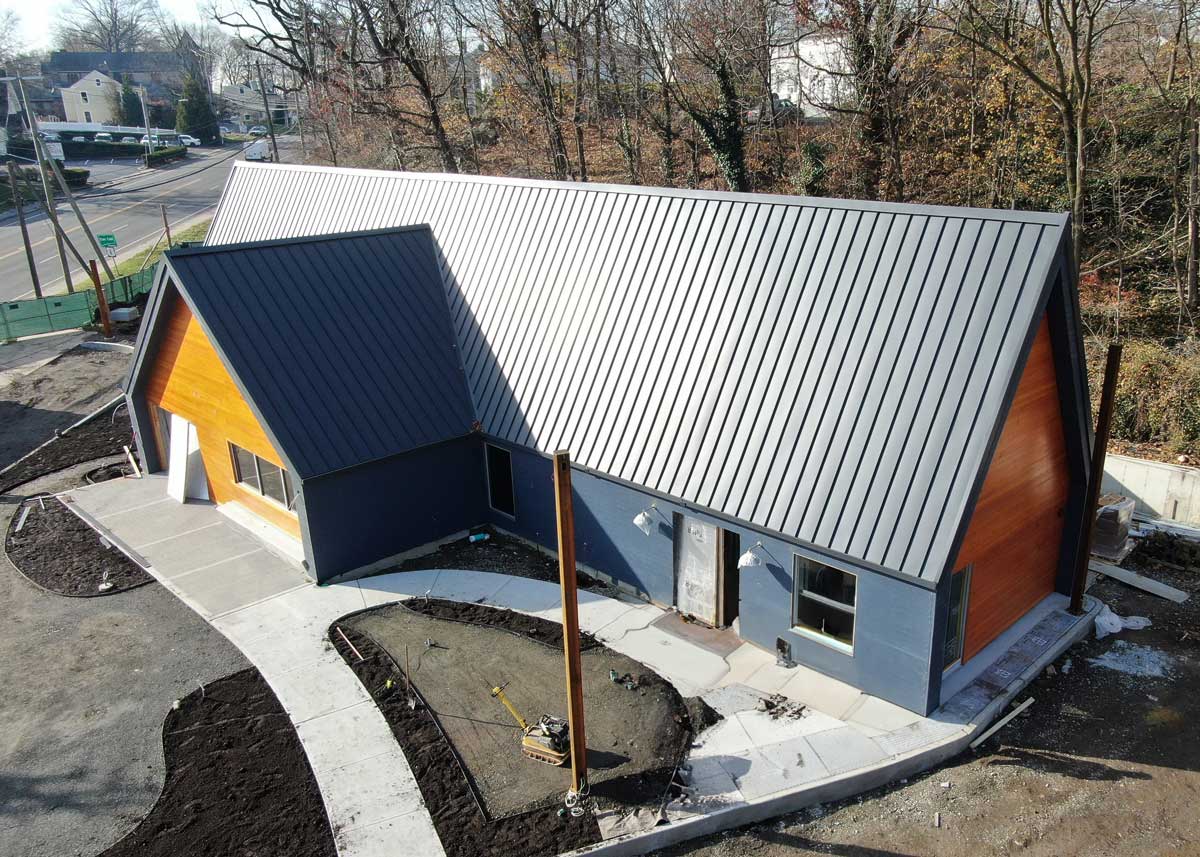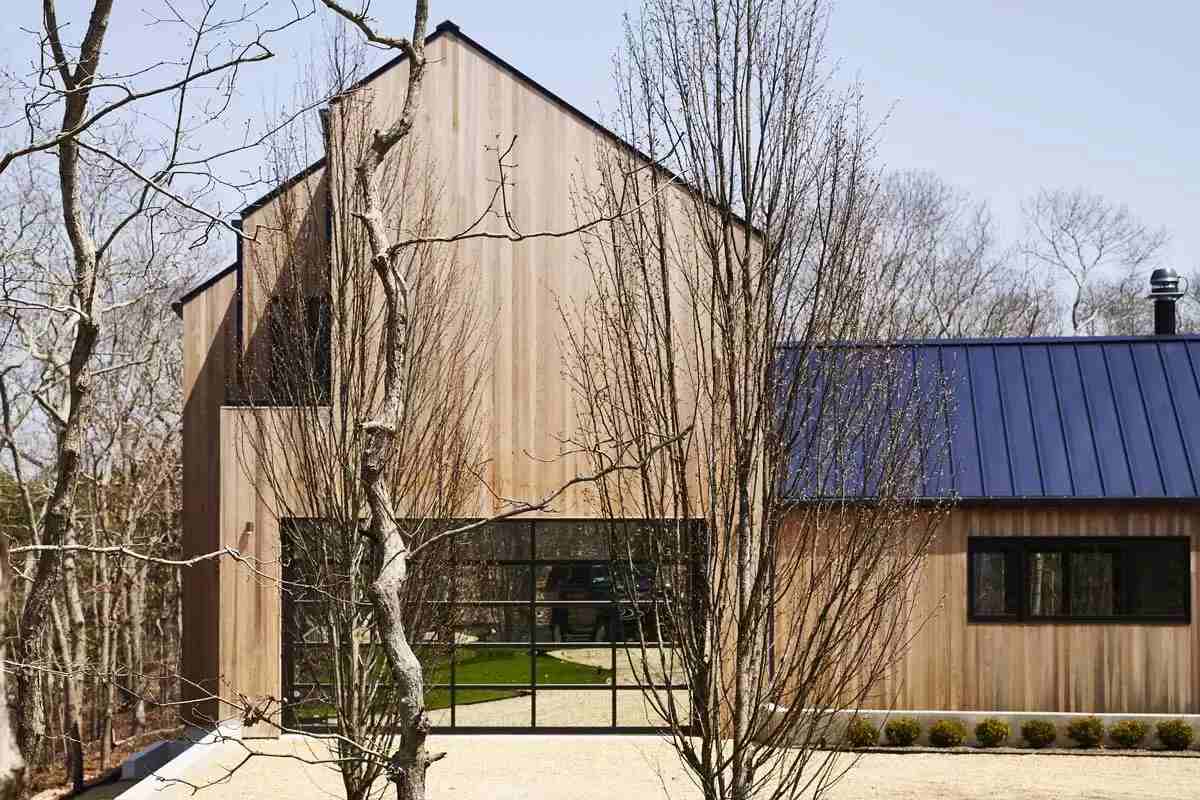
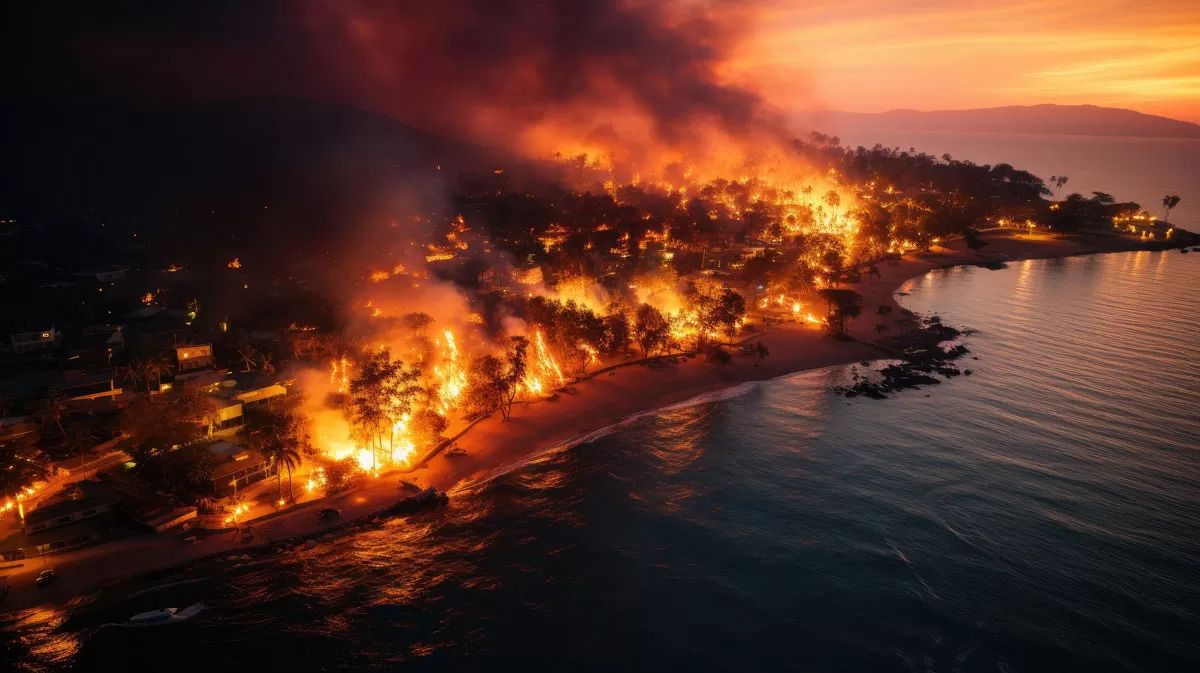
A metal roof gives a Texas home one of its strongest defenses against wildfire. Steel and aluminum panels cannot burn, and many metal roof assemblies earn a Class A rating, the top fire classification for roof coverings. Metal roof fire resistance matters more in Texas each year as neighborhoods grow into grassland on the edges of Dallas-Fort Worth. The same roof also stands up to the hail and wind that hit North Texas every spring.
This guide explains how homes really catch fire, what a Class A rating means, which roof details keep embers out, and how a Permanent Metal Roofing Systems roof handles the rest of Texas weather.
Is Wildfire Really a Risk Around Dallas-Fort Worth?
Yes, especially on the growing edges of the metro. Texas A&M Forest Service reports that most Texas wildfires start within two miles of a community. In 2024 alone, 5,187 wildfires burned more than 1.3 million acres across the state. Much of that acreage burned in the Panhandle, but grass fires reach the suburbs too.
New subdivisions in Johnson, Ellis, Kaufman, Rockwall and Hunt counties often back onto pasture, brush or cedar. On a dry, windy day, a fire in that fuel can move fast and throw embers well ahead of the flames. The Texas A&M Forest Service notes that embers can travel one to two miles, depending on the weather.
You can look up wildfire risk maps for your area with the Texas Wildfire Risk tools that the Forest Service maintains. Homes near open land, greenbelts and creek corridors deserve the closest look.
How Do Homes Actually Catch Fire in a Wildfire?
Most homes do not burn because a wall of flame rolls over them. They burn because wind-blown embers land somewhere that can ignite. Common landing spots are dry leaves in gutters, gaps at the roof edge, open vents, and plants or mulch piled against the house.
Once a few embers catch, fire spreads from the attic down or from the base of the wall up. That is why fire agencies focus on the roof and the first five feet around the home. The Texas A&M Forest Service home checklist starts with a Class A roof, closed roof openings, and exterior vents screened with mesh no larger than 1/8 inch.
What Does a Class A Fire Rating Mean for a Roof?
Class A is the highest of three fire classes for roof coverings under the ASTM E108 test, which is also published as UL 790. Labs build a mock-up roof and blow simulated wind across it while it burns. According to Intertek’s summary of ASTM E108, the Class A test sets one large burning brand, about 12 by 12 inches, on the roof. Class B uses two smaller brands and Class C uses twenty small ones.
Two details matter. First, the rating belongs to the tested assembly, not just the metal. The deck, underlayment and covering are tested together, so the installer has to follow the listed build-up. Second, Class A is not unique to metal. Fiberglass asphalt shingles and clay or concrete tile commonly carry it too.
| Roof covering | Typical fire rating | What changes with age |
|---|---|---|
| Standing seam steel or aluminum | Class A as a tested assembly | Panels do not burn, curl or crack |
| Stone-coated steel | Class A, per DECRA | Granule surface over a noncombustible steel base |
| Metal shingles and shakes | Class A for many listed products | Check the maker’s listing for the exact product |
| Fiberglass asphalt shingles | Commonly Class A | Heat, hail and wind loosen tabs and open gaps |
| Clay or concrete tile | Commonly Class A | Open tile ends need bird stops; cracked tiles let embers in |
| Untreated wood shake | Not Class A | Dry shakes can ignite from embers |
Ratings vary by product and assembly. Ask for the fire listing of the exact product before you sign a contract.
Why Metal Keeps Its Fire Protection for Decades
A rating describes a new roof. What protects the house in year 25 is the condition of the roof on the day embers arrive. Asphalt shingles in Texas heat often wear out in 15 to 20 years, and tabs that curl or blow loose leave openings. Hail can fracture tile.
Metal panels do not curl, split or crack with age. The surface embers land on stays the same noncombustible metal for the life of the roof. Smooth standing seam panels also give leaves and twigs little place to collect, so embers find less fuel on the roof itself.
Which Roof Details Keep Embers Out?
The panels are rarely the weak point. Embers get in at edges and openings, so the trim matters as much as the metal. We fabricate these parts in-house so they fit each roof.
- Ridge and hip caps with closures that block the gaps under the cap. See our hip and ridge caps.
- A vented ridge only with a vent product designed to resist ember entry.
- Eave trim and closures that seal the space between the deck and the fascia. See eave flashing.
- Wall and chimney flashing with no open joints where siding meets the roof. See custom flashing.
- Soffit and attic vents screened with metal mesh no larger than 1/8 inch.
- Metal gutters instead of vinyl, kept clear of leaves, with guards where trees hang over. See gutters.
- The underlayment named in the fire listing, laid under every panel.
- Nothing that burns stacked against the walls or planted in the first five feet.
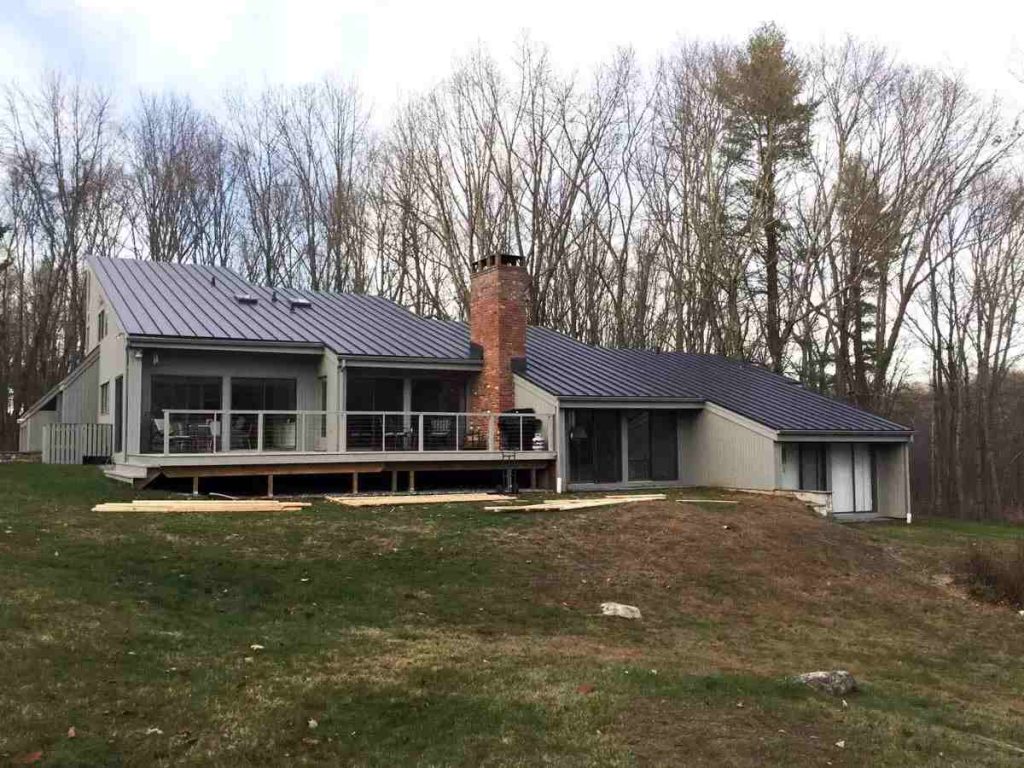
How Does the Same Roof Handle Texas Hail and Wind?
Fire is the rare event. Hail and wind are the yearly ones. Texas has ranked first in the nation for major hail events for 11 straight years in NICB counts, and DFW storms bring damaging straight-line winds most springs.
Hail
Metal does not crack or shed granules when hail hits it. Large stones can dent it, and those dents are usually cosmetic. In an IBHS hail demonstration, standing seam panels took dents without punctures, while standard three-tab shingles cracked.
Impact ratings come from UL 2218, which drops steel balls up to 2 inches across onto the roof covering. Class 4 is the top result. Thicker 24-gauge steel and textured or stone-coated profiles hide hail marks best. Our Class 4 metal roofing page covers the ratings in detail.
Wind
Recent storms show what North Texas wind can do. Gusts reached about 80 mph in the May 2024 storm, and straight-line winds topped 100 mph in parts of Tarrant County in March 2025. Most roof failures start at the eaves, rakes and ridge, where wind gets underneath.
Standing seam panels hold to concealed clips along every seam. Mechanical lock panels are folded shut with a seaming tool, which gives the highest uplift resistance we offer. Roof assemblies are rated for uplift under tests such as UL 580, and project engineering is available on request.
Heat
Cool-pigment PVDF finishes reflect more sunlight than dark shingles, which helps keep attics cooler through 100-degree weeks. Heat does not age a metal roof the way it bakes and curls asphalt, so its fire and hail performance holds steady.
What This Means for DFW Homeowners
If your home backs onto pasture, brush or a greenbelt, treat the next re-roof as a fire decision as well as a storm decision. Choose a Class A assembly, close every roof opening, and keep the first five feet around the house clear.
If you live closer in, hail and wind are the bigger yearly risks. A metal roof covers all three threats with one system, and it keeps that protection long after a shingle roof would need replacing.
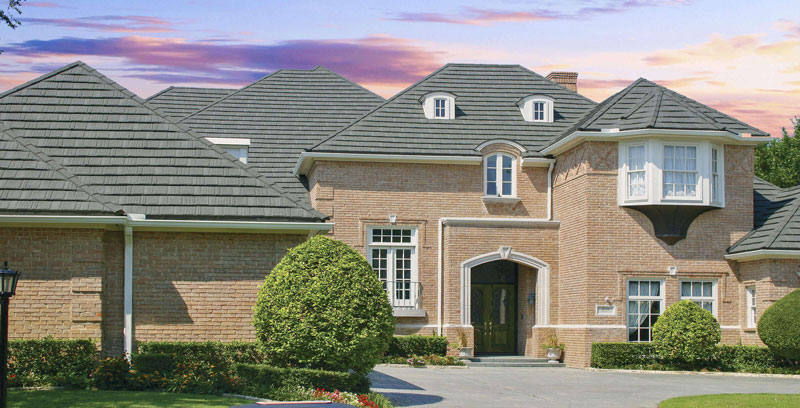
Two programs are worth knowing. IBHS runs the Wildfire Prepared Home designation, which lists Texas among its eligible states as of 2026 and requires a Class A roof. Some insurers also credit impact-rated roofs, so read our Texas insurance discount guide before you choose a product.
PMRS forms standing seam panels and trim in-house. We also install stone-coated steel and metal shingles for homes that need a traditional look. Current installed pricing is on our metal roof cost page, and every estimate is free.
Metal Roof Fire Questions
Is a metal roof fireproof?
No roof makes a house fireproof. A metal roof cannot burn, and a Class A metal assembly resists severe fire exposure in testing. Embers can still ignite gutters full of leaves, open vents, wood decks or plants against the walls. Treat the roof as one strong layer of protection, then harden the rest of the house and the first five feet around it.
Does a metal roof need special underlayment to be rated Class A?
It needs the deck and underlayment named in its fire listing. Ratings under ASTM E108 and UL 790 apply to a tested assembly, not to the metal alone, and on wood decks that usually means a specific underlayment layer. We follow the listed build-up and use high-temperature underlayment rated for Texas heat.
Are stone-coated steel roofs fire rated?
Yes. DECRA, the stone-coated steel line we install, rates its roofs Class A for fire and describes the steel base as noncombustible. Stone-coated steel suits homeowners who want the look of shake or tile without the fire risk of real wood. See our stone-coated steel roofing page for the profiles.
Will a Class A roof lower my insurance premium in Texas?
Not usually by itself. The roof credits the Texas Department of Insurance describes are for impact resistance under UL 2218, not for fire ratings, and each carrier sets its own amount. Some insurers weigh wildfire exposure when they price a policy, so ask your agent how they treat roof type at your address. Never assume a discount before you buy.
Can embers get under a metal roof?
They can at open edges, not through the panels. Gaps at the ridge, eaves, rakes and roof-to-wall joints are the usual entry points. Closures, fitted flashing and ember-resistant ridge vents close those gaps, and screened soffit vents keep embers out of the attic. We bend the trim for each roof so the edges fit tight.
Free Written Estimates
Harden Your Roof Before the Next Dry, Windy Season
Get a written estimate for a Class A metal roof from the company that forms the panels and bends the trim.