Formed and installed by one company
Metal Roofing Systems We Manufacture and Install in Dallas-Fort Worth
Permanent Metal Roofing Systems roll-forms its own standing seam panels and installs every major family of metal roofing systems across Dallas-Fort Worth. This guide explains how each one works, where it fits and how they compare on cost, slope and hail ratings.
- 20+ years of experience
- Lifetime limited warranty
- Free written estimates
What are the main types of metal roofing?
Metal roofing comes in two broad camps. Concealed-fastener systems, led by standing seam, hide every clip and screw under the panel. Exposed-fastener and modular systems, such as corrugated sheets, metal shingles and stone-coated steel, either show their screws or lock together in small pieces.
The camp matters more than the color. On a standing seam roof, clips hold each panel while letting it slide as the metal heats and cools. On an exposed-fastener roof, screws pass straight through the panel and seal with rubber washers. Those washers typically need attention after 10 to 15 years of Texas sun.
We roll-form standing seam panels on our own equipment and cut each one to the length of its roof run. Trim and flashing are bent on computerized folders, so every piece matches the next. For shake, slate and tile looks, we install proven products from EDCO, Classic Metal Roofing Systems and DECRA.
Not sure where to start? Most houses with a 3/12 or steeper pitch choose between snap lock standing seam and a textured shingle product. Low slopes, long runs and commercial roofs usually point to mechanical lock panels.
Explore every PMRS roof system
Each card opens the full page for that system, with specs, colors, spec sheets and installation details.
Standing seam
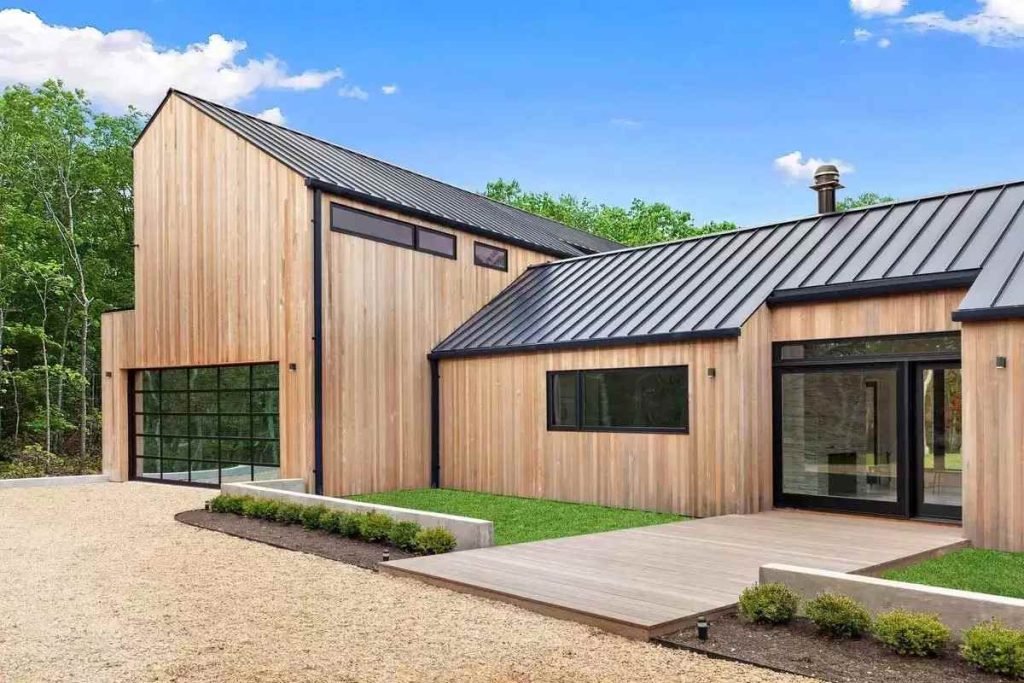
Vertical panels joined by raised seams over hidden clips. Our core product, formed in steel, aluminum, copper and zinc.
Snap lock standing seam
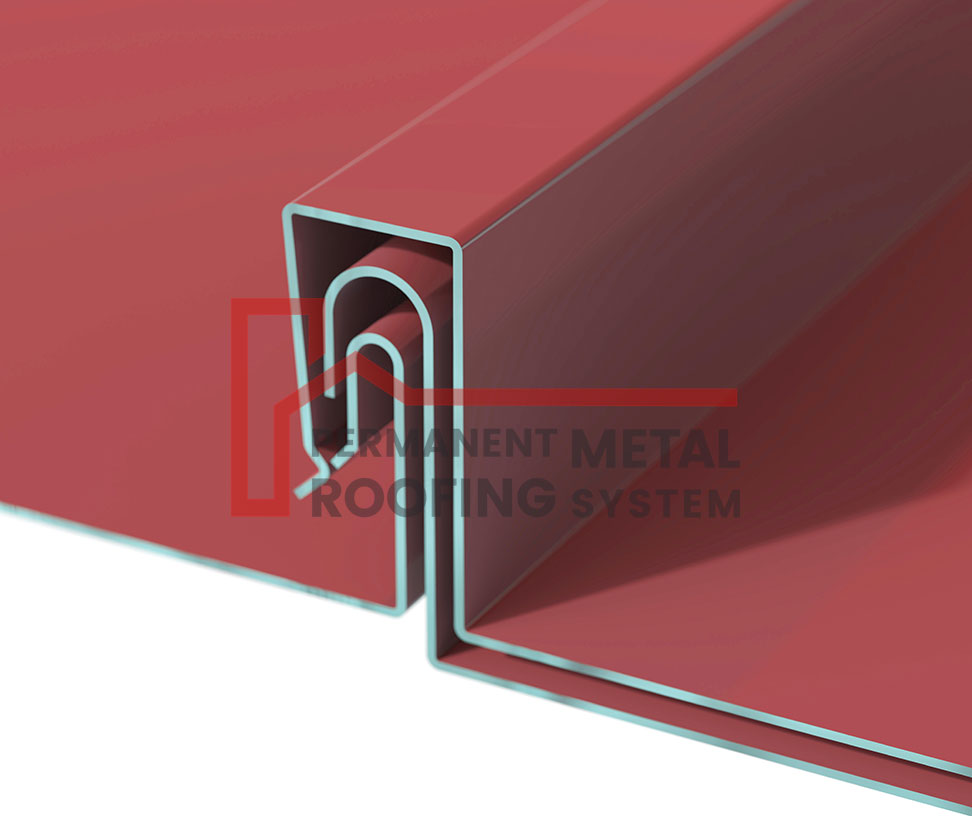
Panels click together over concealed clips with no seaming tool. Offered in 1-inch, 1.5-inch and 1.75-inch seams for roofs 3/12 and steeper.
Mechanical lock standing seam
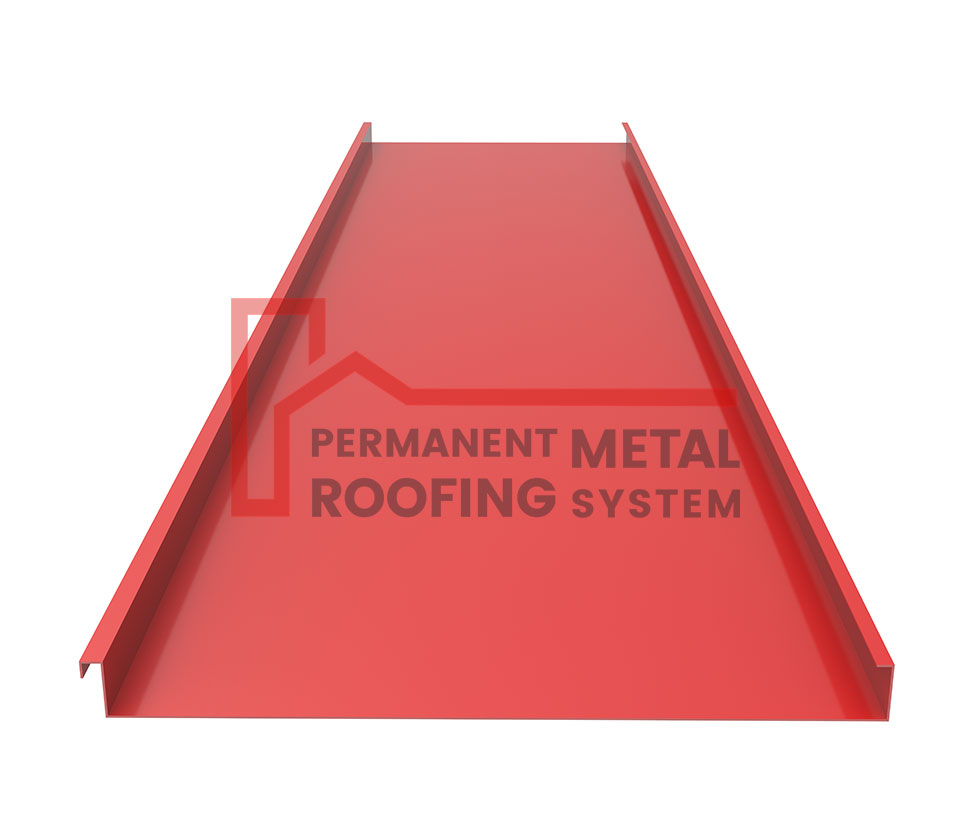
Seams are folded shut by a seaming machine at 90 or 180 degrees. Rated down to 1/2:12 and eligible for weather-tightness warranties when seamed to spec.
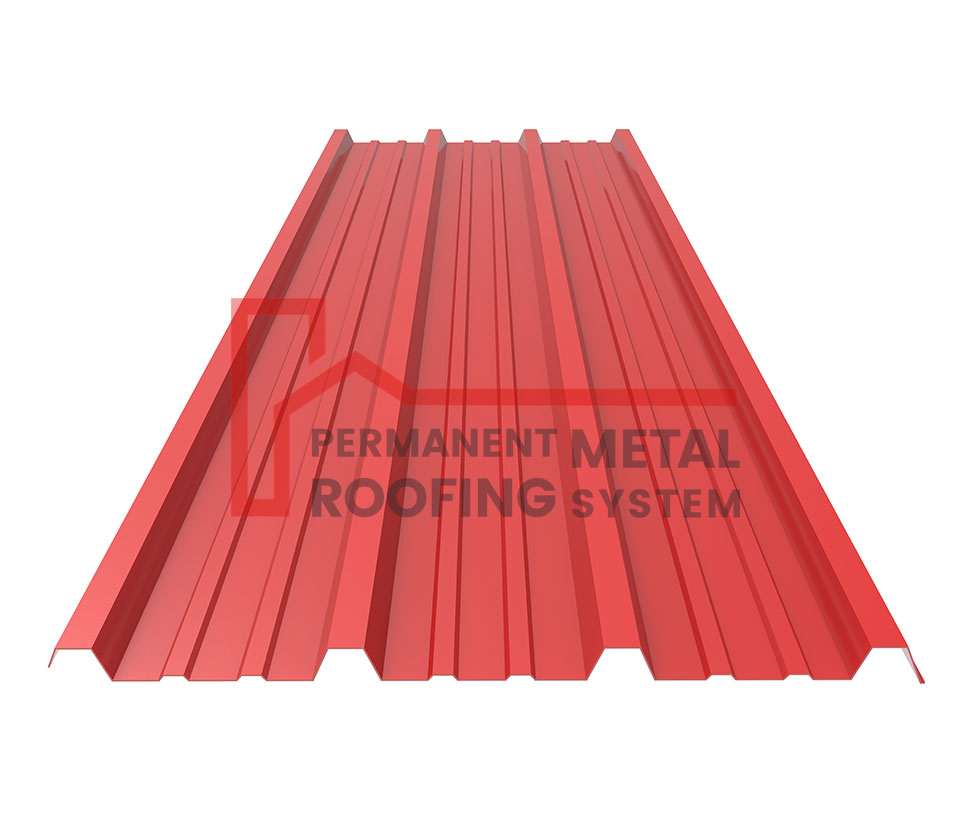
Corrugated and PBR panels
Exposed-fastener PBR, RPBR, 7.2 rib and two corrugated profiles. The budget pick for shops, barns, barndominiums and porches.
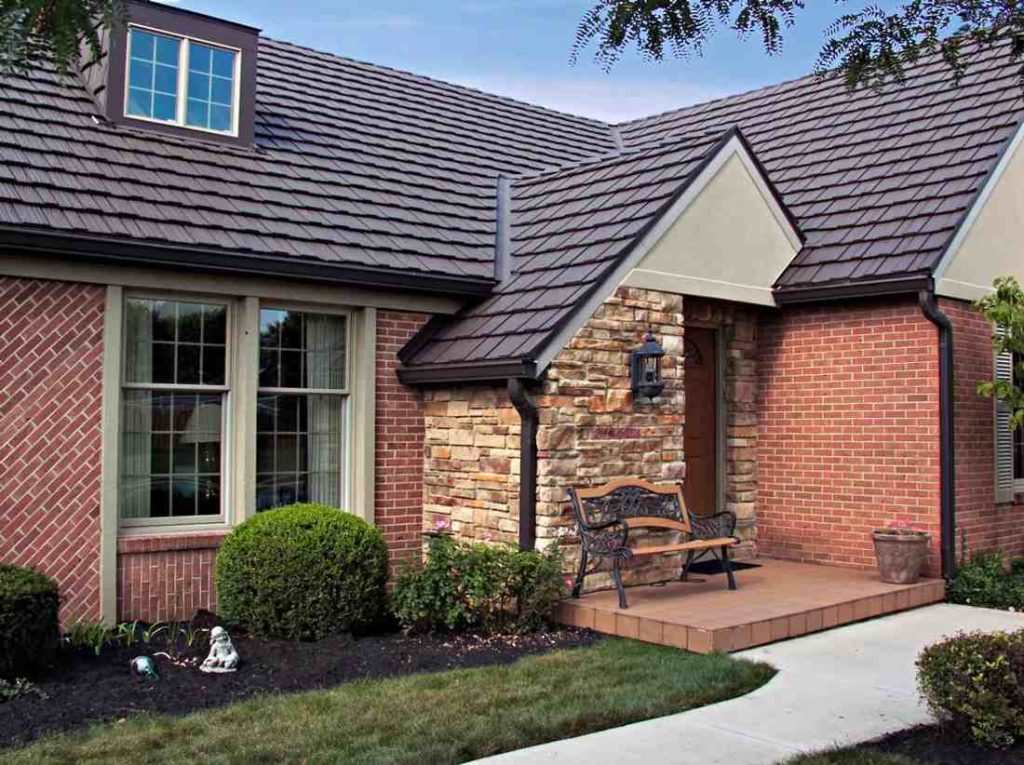
Metal shingles and shakes
EDCO steel shakes and Classic aluminum shingles that mimic cedar, slate and clay tile. A strong fit for HOA neighborhoods.
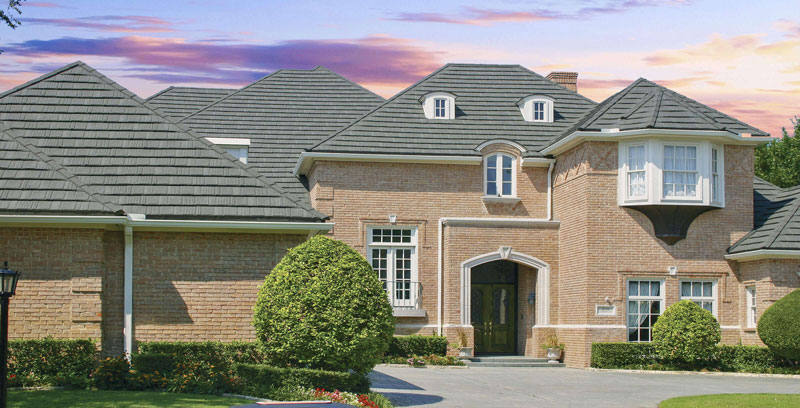
Stone-coated steel
DECRA steel panels coated in granules for a textured shake, shingle or tile look. The texture helps disguise hail marks.
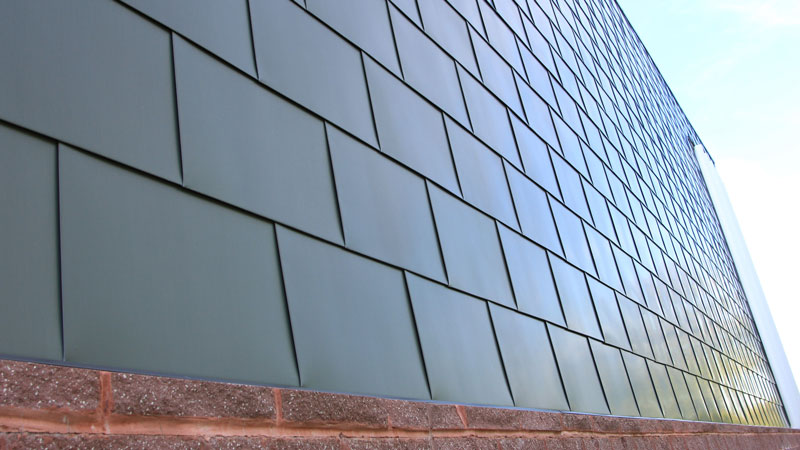
Flat lock panels
Flat metal pans that hook together on all four edges. Used on walls, mansards, turrets and bays in copper, zinc or aluminum.
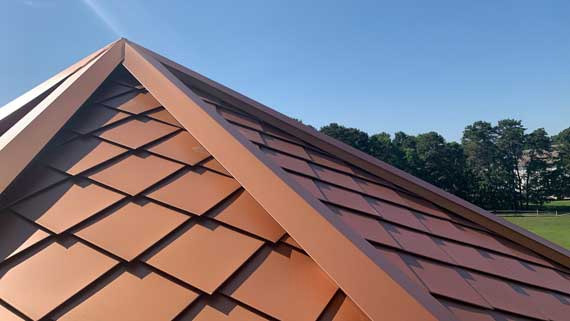
Diamond shape panels
Diamond-pattern architectural shingles for accent roofs, towers and facades, usually in copper, zinc or painted aluminum.
How do the metal roof types compare?
Standing seam costs more than exposed-fastener panels but lasts longer with less upkeep. Shingles and stone-coated steel sit in the middle on price and win on traditional looks. The table lines up all eight families on the questions DFW buyers ask most.
| System | Cost tier | Look | Minimum slope | Class 4 availability | Typical lifespan | Best for |
|---|---|---|---|---|---|---|
| Snap lock standing seam | $$$ | Slim, clean vertical seams | 3/12 | Depends on the tested panel assembly | 40-70 years | Most homes at 3/12 and steeper |
| Mechanical lock standing seam | $$$$ | Taller folded seams that can run up walls | 1/2:12 | Depends on the tested panel assembly | 40-70 years | Low slopes, long runs, modern and commercial roofs |
| Corrugated and PBR | $ | Ribbed, agricultural or industrial | Varies by profile | Some panels listed; varies by gauge | Decades; screws need checks around year 10-15 | Shops, barns, porches, metal buildings |
| Metal shingles and shakes | $$ to $$$ | Cedar, slate or tile looks | Set by the manufacturer | EDCO lists Class 4; others by product | 40-70 years | HOA streets and traditional homes |
| Stone-coated steel | $$ to $$$ | Textured granules, shake to tile | Set by DECRA | DECRA lists Class 4 for its lines | 40-70 years | Hail-prone roofs where dents would show |
| Flat lock panels | $$$$ | Smooth, tiled metal surface | Walls and steep accents | Rarely tested; used as accents | Material-dependent; copper and zinc last longest | Turrets, mansards, bays, facades |
| Diamond shape panels | $$$$ | Diamond shingle pattern | Steep accents and walls | Rarely tested; used as accents | Material-dependent | Towers, dormers, feature walls |
Cost tiers are relative, with one dollar sign as the lowest. As of 2026, national cost guides typically put standing seam at $10 to $18 per square foot installed. Metal shingles run roughly $9 to $14, and stone-coated steel averages about $12.50. Basic exposed-fastener metal in Texas is roughly $5.50 to $11.50.
Our own installed prices are live, not estimates from a guide. See them, plus a roof calculator, on our metal roof cost page for Dallas. Lifespans are typical Texas ranges for professionally installed metal roofs, not warranty terms.
Which metal roof holds up best to DFW hail and heat?
For hail, pick a product with a UL 2218 Class 4 listing in a heavier gauge. For heat, pick a PVDF finish over a high-temperature underlayment. Every system on this page can be built that way, though the details differ.
Texas has led the nation in major hail events for 11 straight years, according to NICB and Verisk analysis. A Class 4 listing means the product took a 2-inch steel ball falling 20 feet with no cracks. It does not promise the metal will never dent. Our Class 4 metal roofing guide covers ratings, cosmetic exclusions and insurer paperwork.
Heat is the quieter threat. DFW averages about 20 days a year at 100 degrees or hotter, and 2023 logged 55 of them. A Kynar 500 PVDF finish resists the chalking and fading that strong UV causes. Under the panels, we specify high-temperature underlayment, because standard products can soften beneath hot metal.
Neighborhood rules matter as well. Texas Property Code 202.011 limits how an HOA can block wind- and hail-resistant shingles that resemble those in the subdivision. Metal shingles and stone-coated steel usually fit that test best. Standing seam is not named in the statute, so plan on submitting samples and spec sheets to the architectural committee. Our HOA approval guide walks through it, and the color chart helps you match the street.
Steel, aluminum, copper or zinc: which metal should you pick?
Galvalume steel is the default for inland DFW because it is strong, affordable and suited to dry inland air. Aluminum, copper and zinc cost more. They earn their place on architectural details, low-slope accents and long-life statement roofs.
| Metal | What we form | Strengths | Trade-offs |
|---|---|---|---|
| Galvalume steel | 26, 24 and 22 gauge | Stiff, dent-resistant in heavier gauges, best value | Keep it away from copper runoff and treated lumber |
| Aluminum | .032 and .040 inch | Will not rust, light, takes PVDF and Tedlar finishes well | Softer than steel and priced higher |
| Copper | 16 and 20 oz | Weathers to a natural patina with very long service life | Highest cost; runoff stains other metals |
| Zinc (Rheinzink) | .7 and .8 mm | Crisp architectural look with a self-healing patina | Specialist detailing and premium price |
Gauge is the next decision. 24-gauge steel is about 28 percent thicker than 26 gauge, so it is our standard for houses facing hail. Compare them in our 24 vs. 26 gauge guide, or weigh metals in steel vs. aluminum roofing.
How It Works
From Free Estimate to Warranty in Four Steps
1
Free Estimate Visit
We measure and photograph the roof, check the deck and flashing, show you panel and color options, and follow up with a written, itemized price.
2
Submittals and Paperwork
HOA? We prepare the submittal with spec sheets, color samples and the Texas Property Code language on impact-resistant roofing. Hail damage? We document it with dated photos and a written scope.
3
Fabrication and Installation
Panels, trim and flashing are fabricated in-house to your roof measurements, then installed by our own crews to the manufacturer specs, with cleanup every day.
4
Final Walkthrough & Warranty
We walk the finished roof with you, hand over photo documentation, and register your PMRS lifetime non-prorated limited warranty and the finish warranty.
Metal roofing systems: common questions
What is the most popular metal roof for houses in DFW?
Snap lock standing seam is the most common choice for DFW homes with a 3/12 or steeper pitch, and our 1.75-inch snap lock is the system our own spec sheet calls our most popular. Homes in strict HOAs often choose metal shingles or stone-coated steel instead.
How long does a metal roof last in Texas?
In Texas, a well-installed metal roof commonly lasts 40 to 70 years. Asphalt shingles under DFW heat and hail usually need replacing in about 15 to 20. Finish, gauge, ventilation and installation quality decide where a roof lands in that range.
Is standing seam better than exposed-fastener metal roofing?
For a house, usually yes. Standing seam hides its fasteners under the panel and lets the metal expand and contract on clips. Exposed-fastener panels cost less but rely on rubber-washer screws that typically need inspection or replacement after 10 to 15 years.
Can a metal roof go on a low-slope roof?
Yes, if it is the right system. Our mechanical lock panels are rated down to 1/2:12 when they are seamed to spec, and the spec sheets call for high-temperature underlayment at 3/12 and under. Snap lock panels and most shingle products need at least 3/12.
Are metal roofs noisy during Texas storms?
Installed over a solid deck with underlayment and attic insulation, a metal roof is usually no louder inside than shingles. Most noise complaints come from panels fastened over open framing, as on barns and carports.
Do metal roofs make a house hotter in summer?
No. Metal reflects much of the sun’s heat and sheds the rest quickly after sunset. Oak Ridge National Laboratory and Florida Solar Energy Center research found cool metal roofing can cut cooling energy costs by up to 25 percent compared with dark shingles. Results vary with color, insulation and ventilation.
Does PMRS sell metal roofing materials to contractors?
Yes. We supply roll-formed panels, trim, flashing and accessories to contractors and builders, with spec sheets and shop drawings when a project needs them. Call our Mesquite office or use the estimate form to request a materials quote.
Talk to the people who form your panels
Tell us about your roof and we will recommend a system, a gauge and a finish that suit it. Builders and architects can ask for spec sheets, shop drawings or a materials quote from our Mesquite office.
- Panels roll-formed to the length of each roof run
- Trim and flashing bent on computerized equipment
- Written quote after a free measure, with warranty terms spelled out
Get Your Free Metal Roof Estimate
Tell us about your roof and a Permanent Metal Roofing Systems specialist will follow up to schedule your free estimate. No pressure, no obligation.
Prefer to talk now? Call (469) 466-2421.
Ready to compare systems on your own roof?
Call (469) 466-2421 or book a free measure. We will show you samples, prices and the right panel for your pitch.