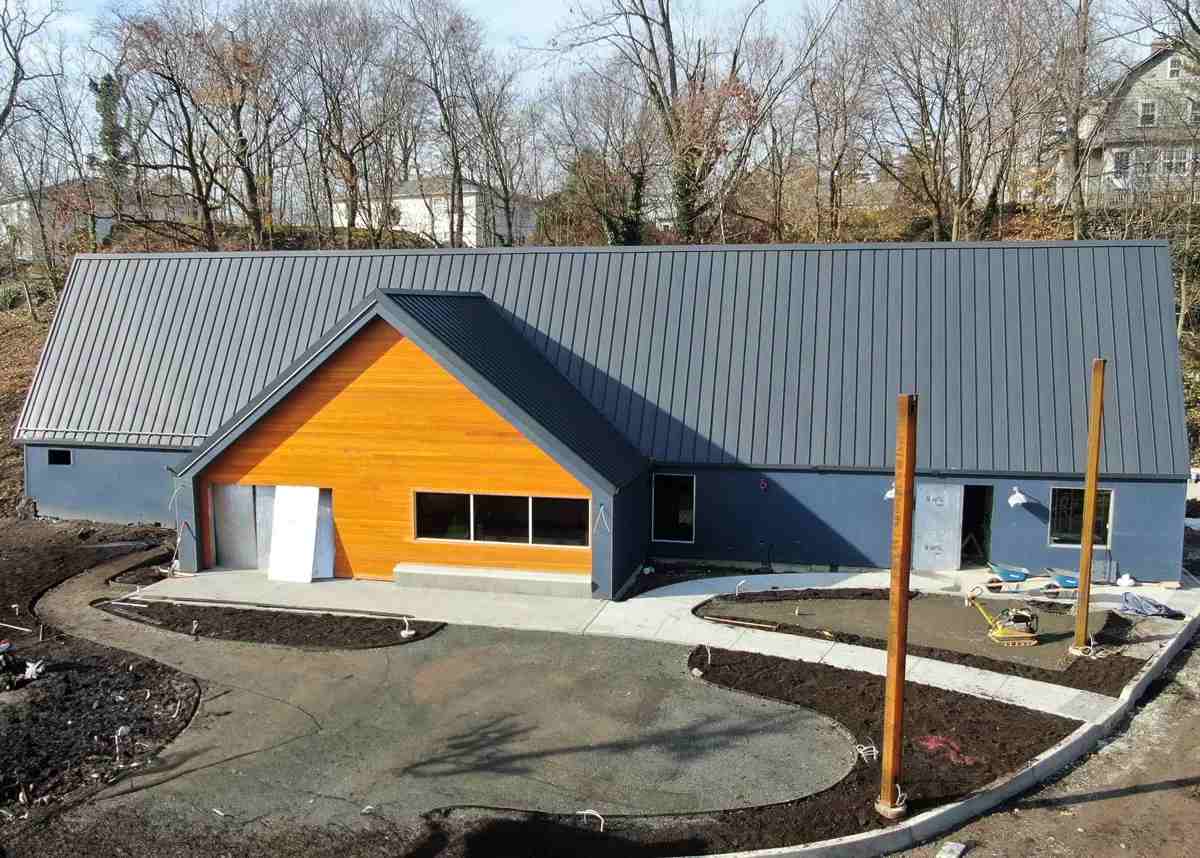
Many Texas insurers give a premium credit for an impact-resistant roof, but no state rule sets the amount. The Texas Department of Insurance says each carrier decides its own credit for roofs rated under UL 2218, with Class 4 earning the most. So the honest answer to “how much will I save?” is: ask your carrier before you sign a roofing contract.
This guide explains how the impact-resistant roof insurance discount works in Texas, the fine print that can come with it, and where a Class 4 metal roof fits. Nothing here is insurance or legal advice; your policy and your agent have the final word.
How Does the Texas Impact-Resistant Roof Credit Work?
The credit is tied to one test: UL 2218, the impact standard for steep-slope roof coverings. Labs drop steel balls onto the roofing and check for cracks, tears or ruptures. The bigger the ball a product survives, the higher its class.
| UL 2218 class | Steel ball diameter | Insurance note |
|---|---|---|
| Class 1 | 1-1/4 inches | Lowest class; any credit is set by the carrier |
| Class 2 | 1-1/2 inches | Any credit is set by the carrier |
| Class 3 | 1-3/4 inches | Any credit is set by the carrier |
| Class 4 | 2 inches, dropped from 20 feet, twice on each target spot | Highest credit tier under TDI guidance |
The TDI roofing discount page makes the key point plainly. Each insurance company sets the size of the credit for each class, and each company decides which test results and paperwork it accepts. TDI does not endorse any roofing product.
Industry reports from 2025 and 2026 describe credits of roughly 5 to 35 percent of the wind and hail portion of a premium, depending on the carrier. Some carriers offer nothing. Treat any number you hear as a question for your own agent, not a promise.
Which Roofs Qualify for the Credit?
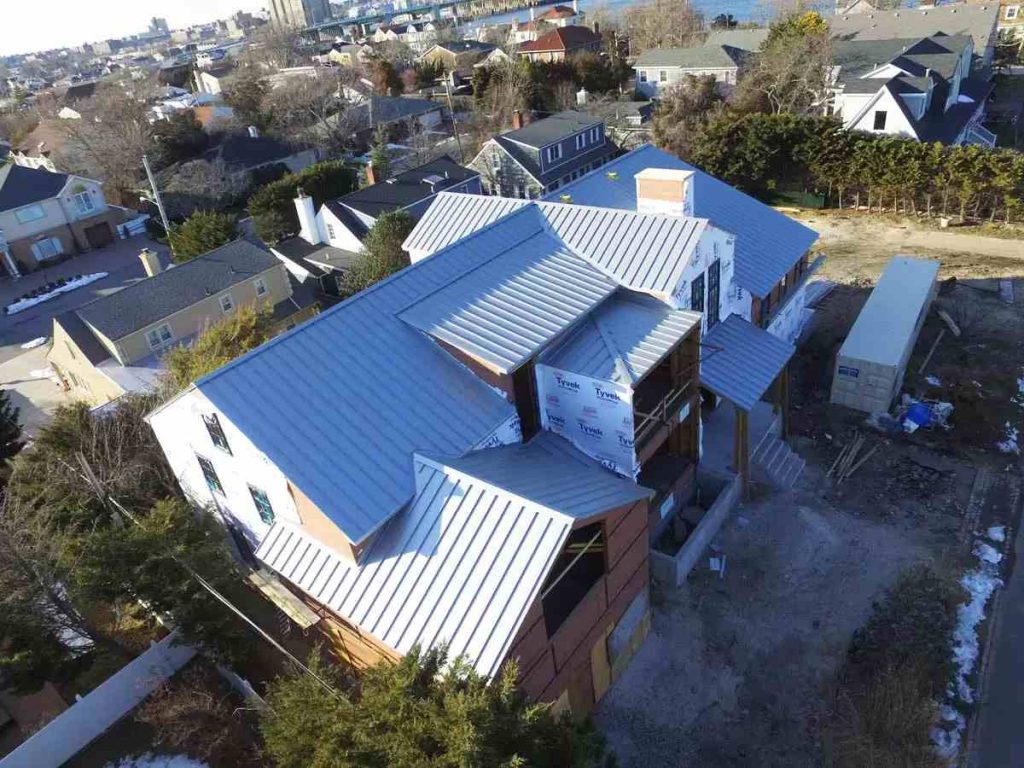
Any roof covering can qualify if the exact product has been tested and labeled to UL 2218. That includes many metal panels and shingles, stone-coated steel and impact-rated asphalt shingles. A product does not qualify just because it is metal; the carrier wants the rating for that specific product.
Metal makes a strong case because it holds its performance. Impact-rated asphalt still ages in Texas heat, while steel and aluminum do not crack or shed granules. In an IBHS hail demonstration, standing seam took dents without punctures where standard shingles cracked.
See our Class 4 metal roofing page for impact-rated options, including the stone-coated steel lines DECRA rates for hail and our metal shingles and shakes.
What Paperwork Do Insurers Ask For?
Expect to prove two things: what was installed, and that it carries the rating. TDI’s rules for the Texas Windstorm Insurance Association show what carriers look for. Products must carry a UL or TDI-approved lab label with the UL 2218 class, the manufacturer, the year made and the brand name. Unlabeled products do not earn the TWIA credit, even if they would pass the test.
TWIA covers the coast rather than DFW, and it uses TDI form PC068, an installation form the contractor completes. Other insurers may accept that form or require their own. Either way, keep a roof folder with these items:
- The signed contract and final invoice naming the product and its impact class
- Product labels or the manufacturer’s rating documents
- The installation form your carrier requires
- Dated photos of the finished roof
- Proof that you paid your deductible on any job funded by a claim
Read the Fine Print: Cosmetic Hail Exclusions
A discount can come with a trade-off. In 1998 TDI adopted endorsement HO-145, which lets an insurer exclude cosmetic hail damage on roofs that receive an impact-resistance credit, as described in TDI bulletin B-0030-98. Cosmetic means damage that changes how the roof looks but does not let water in or stop the roof from working.
Many carriers now attach their own cosmetic exclusions, and Texas courts have reached different results on them. Read your endorsement before you re-roof. Ask what the credit is worth, whether an exclusion comes with it, and what keeping cosmetic coverage would cost.
If an exclusion is likely, the profile you choose matters. Thicker 24-gauge panels, striations, low-gloss and crinkle finishes, and textured stone-coated steel all hide dents better than thin, smooth, glossy panels.
Why Roof Age Matters: ACV Roof Schedules
More Texas policies now pay older roofs at actual cash value (ACV) rather than replacement cost value (RCV). The Office of Public Insurance Counsel explains that ACV subtracts depreciation for age and wear. It also warns that roofs may be paid at ACV even on a policy that pays RCV for other property.
An aging roof can leave you paying much of a hail replacement yourself. A new roof resets the age clock. Ask your agent how the carrier depreciates each roof type, because schedules differ by material and by company.
Texas Law: No Roofer Can Cover Your Deductible
Since September 1, 2019, House Bill 2102 has required Texas policyholders to pay their own property deductible. A seller who promises to waive, absorb or rebate it, or who knowingly helps an owner avoid it, commits a Class B misdemeanor. Contracts of $1,000 or more that are likely to be paid from insurance must carry a bold-type notice about the rule.
Your insurer may also hold back the replacement-cost portion of a claim until you show proof that you paid the deductible. TDI urges homeowners to report any contractor who offers a deductible deal. Permanent Metal Roofing Systems does not make that offer to anyone.
Texas wind and hail deductibles are often a percentage of dwelling coverage, commonly 1 to 5 percent, with 2 percent typical in North Texas. On a home insured for $450,000, a 2 percent deductible is $9,000 out of pocket per claim. A roof that avoids repeat claims protects that money too.
Questions to Ask Your Agent Before You Re-Roof
- Do you offer a credit for a UL 2218 Class 4 roof, and what is it worth on my policy?
- Does the credit apply to the whole premium or only the wind and hail portion?
- Which documents do you need, and do you use your own form?
- Will a cosmetic damage exclusion be added, and can I decline it?
- Is my roof covered at replacement cost or actual cash value, and does a new roof change that?
- Does the roof material change my deductible options?
What This Means for DFW Homeowners
Dallas-Fort Worth sits in the middle of Texas hail country. Texas has ranked first for major hail events for 11 straight years in NICB counts. Industry estimates put typical 2026 homeowners premiums for DFW houses at about $5,400 to $6,200 a year, driven largely by hail.
An impact-rated metal roof will not stop every claim. It can, however, lower one line of your premium with some carriers, reduce the odds of a roof claim and last for decades. Insurance-industry research has found that homes with impact-resistant roofs file hail claims at about a 40 percent lower rate, with about 55 percent lower losses.
Start with your carrier, then get a written estimate. Our metal roof cost page shows current installed pricing, and you can compare roof types in stone-coated steel vs. standing seam. If you would rather talk it through, our metal roofing FAQ answers the questions we hear most.
Roof Insurance Discount Questions
Do metal roofs qualify for impact-resistant discounts in Texas?
Many do, if the specific product carries a UL 2218 rating, usually Class 4, and your carrier offers the credit. Being metal is not enough on its own. Your insurer will want documents for the exact product and its class. Collect them before the job starts so you can send them to your agent as soon as the work is done.
How much is the Class 4 roof discount in Texas?
There is no set amount. TDI leaves the size of the credit to each insurance company, and some carriers offer none. Industry reports from 2025 and 2026 describe credits of roughly 5 to 35 percent of the wind and hail portion of a premium. Get a written quote from your own agent before you count on any savings.
Does a cosmetic damage exclusion mean hail damage is not covered?
It means hail damage that only changes how the roof looks may not be covered. Under the standard Texas endorsement, damage that lets water in or stops the roof from working is still covered. Read the wording in your own policy, because carriers write their own versions and Texas courts have read them differently.
Is it legal for a Texas roofer to cover my deductible?
No. A Texas law in effect since September 1, 2019 makes the policyholder responsible for paying the deductible. A contractor who offers to waive, absorb or rebate it commits a Class B misdemeanor. Report any offer like that to the Texas Attorney General’s consumer protection hotline at 800-621-0508.
Does TDI recommend specific roofing products?
No. The Texas Department of Insurance states that it does not endorse or recommend any roofing material. It explains how impact ratings work and leaves the credits to each insurer. Choose a product with a documented UL 2218 rating, then confirm with your carrier that it accepts that rating.
Class 4 Metal Roofing
Talk to Your Agent, Then Talk to Us
We will put the product, its impact rating and your price in a written estimate you can share with your insurance agent.