Stone-coated steel vs standing seam is really a choice between two looks built on the same strong material. Stone-coated steel covers steel panels with a granule surface shaped like shake, shingle or tile. Standing seam uses long, smooth panels joined by raised seams. Both avoid the cracking and granule loss that age asphalt in Texas, but they differ in hail appearance, HOA fit, solar and price.
Permanent Metal Roofing Systems forms standing seam panels in-house and installs DECRA stone-coated steel. Here is how the two compare on a Dallas-Fort Worth house.
What Is Stone-Coated Steel?
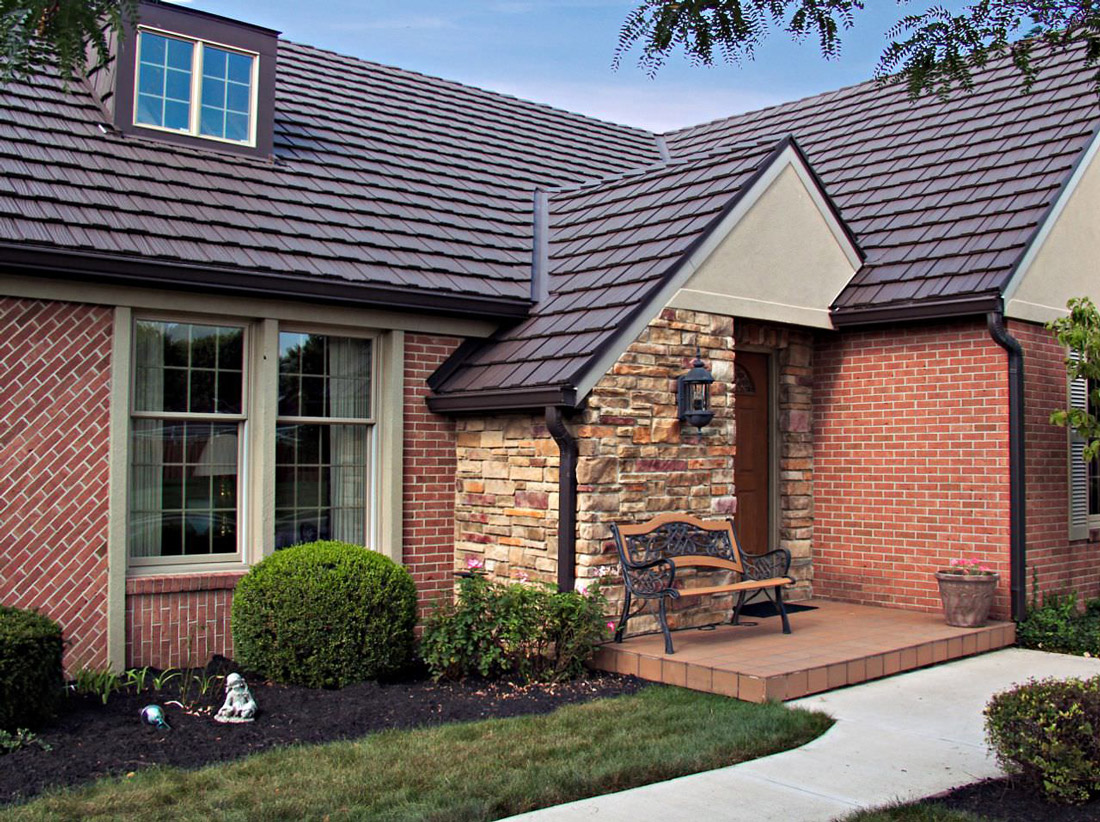
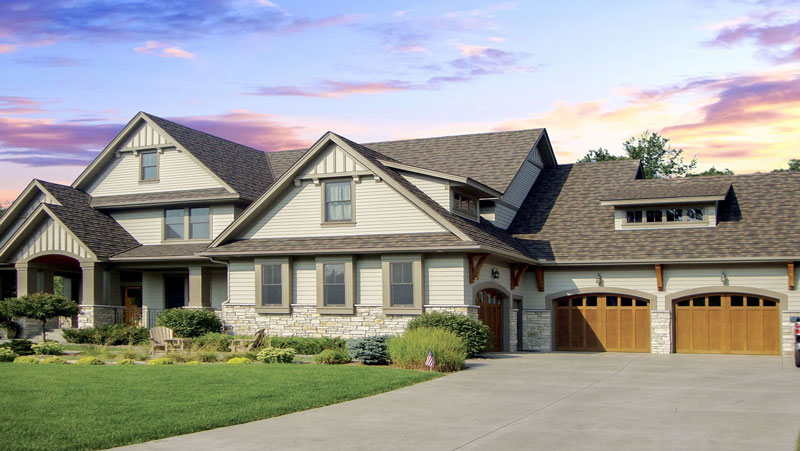
Stone-coated steel starts as a steel panel with a corrosion-resistant metallic coating. The maker bonds a layer of stone granules to the top with an acrylic base coat, then presses each panel into the shape of a traditional roof. DECRA’s lines include Shake, Shake XD, Shingle XD, Tile and Villa Tile.
According to DECRA, its roofs weigh about 1.4 to 1.6 pounds per square foot, carry a Class A fire rating and are installed with an air space between the deck and the panels. DECRA’s lifetime limited warranty for homes covers hail up to 2.5 inches in diameter, and its literature lists a 120 mph wind warranty.
What Is Standing Seam?
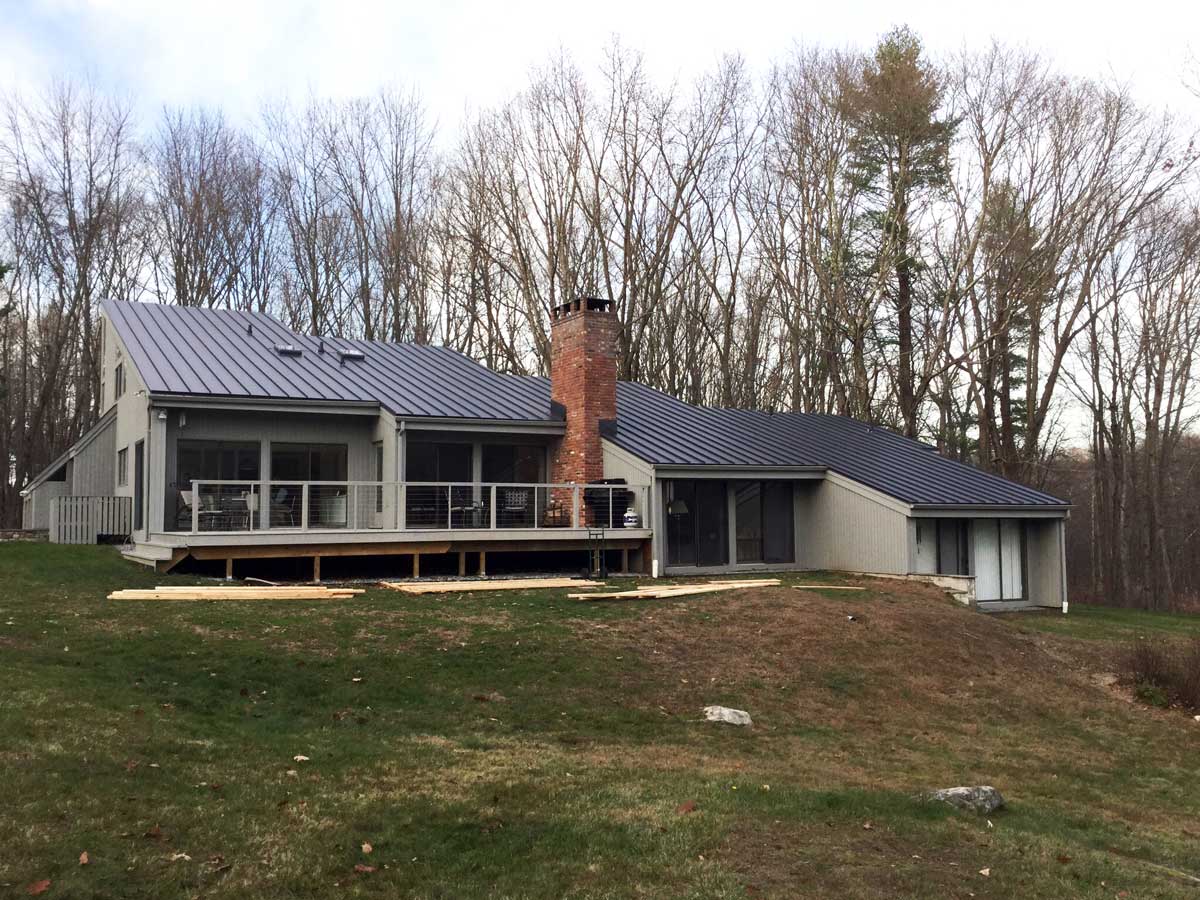
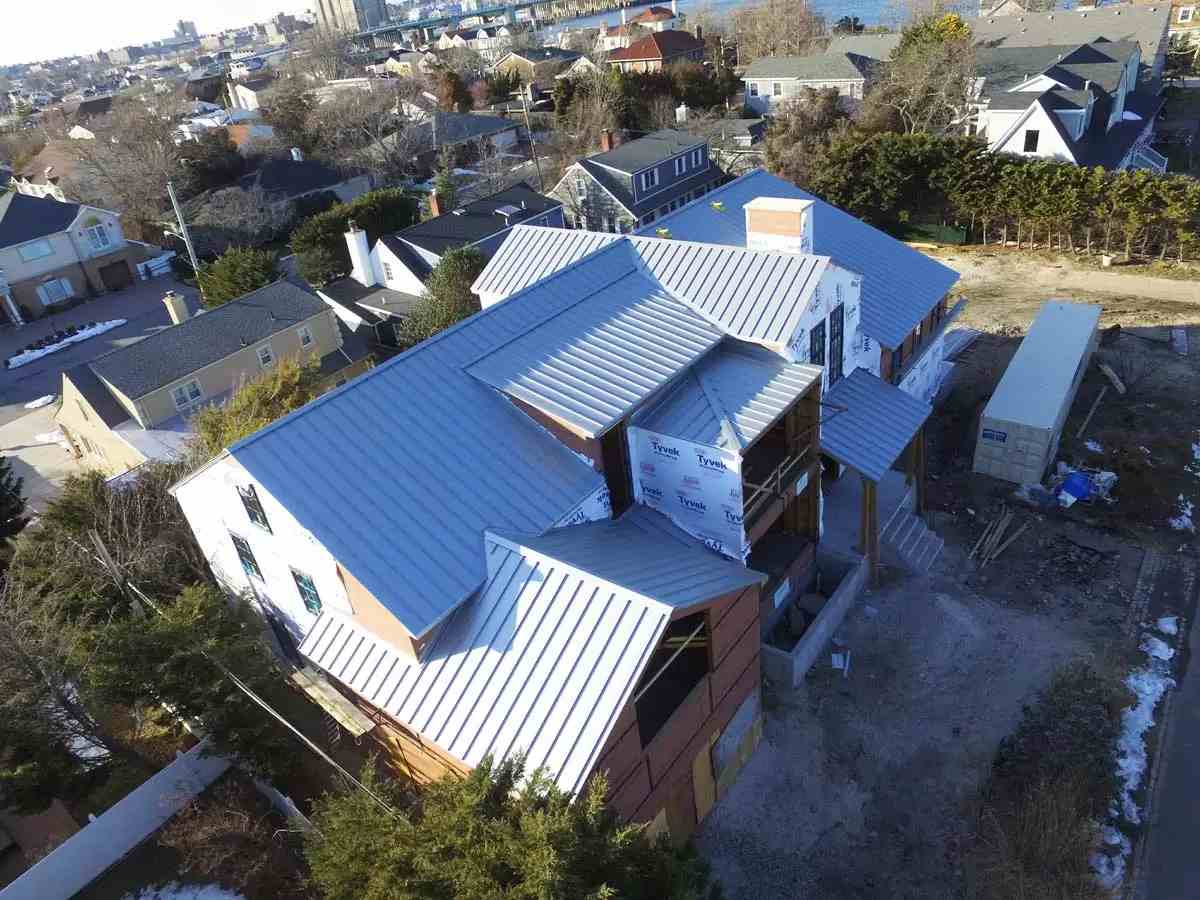
Standing seam roofing uses continuous panels that run from ridge to eave without horizontal joints. Clips screwed to the deck hold each panel, and the raised seams hide them. Nothing pierces the face of the panel, so there are no exposed screws to loosen over time.
PMRS roll-forms its panels in 26, 24 and 22 gauge Galvalume steel, .032″ and .040″ aluminum, copper and zinc. Seams run from 1 to 2 inches tall in snap lock and mechanical lock styles. Finishes include Kynar 500 PVDF, SMP, crinkle and Tedlar film. Learn more on our standing seam page.
Stone-Coated Steel vs. Standing Seam at a Glance
| Feature | Stone-coated steel | Standing seam |
|---|---|---|
| Look | Shake, shingle or tile with a matte granule texture | Clean vertical lines with smooth or striated pans |
| Base metal | Coated steel | Galvalume steel, aluminum, copper or zinc |
| Attachment | Overlapping courses fastened per the maker’s instructions | Concealed clips with no exposed fasteners |
| Hail appearance | Granules hide most small dents | Dents can show on smooth, light panels; 24-gauge and striations help |
| Impact rating | DECRA reports its top hail rating | UL 2218 Class 4 when the specific assembly is tested |
| Fire rating | Class A, per DECRA | Class A as a tested assembly |
| Low-slope use | Steep-slope product; check the maker’s minimum | Snap lock to 3/12; mechanical lock to 1/2:12 |
| Solar | Mounts usually need flashed attachments | Seam clamps; no holes through the panels |
| HOA fit | Often passes the 202.011 resemblance test | Less clear under 202.011; board review matters more |
| Warranty | DECRA lifetime limited warranty on homes | PMRS Lifetime Non-Prorated Limited Warranty plus a finish warranty |
Which Roof Hides Hail Damage Better?
Stone-coated steel usually hides hail better. Its granule texture breaks up reflected light and masks small dents that would catch the sun on a smooth panel. That matters in Texas, because a cosmetic dent can become a coverage question rather than a leak question.
In 1998 the Texas Department of Insurance approved a cosmetic hail exclusion for homeowners policies on roofs that earn an impact-resistance credit. It removes coverage for hail damage that changes how the roof looks without letting water in or stopping it from working. Many carriers now use their own versions. If your policy has one, a dented but watertight roof may not be paid for.
Standing seam can close much of that gap. Choose 24-gauge steel instead of 26, add striations or a low-gloss or crinkle finish, and lean toward a mid-tone color. Our Class 4 metal roofing page explains the impact ratings.
Looks, HOAs and Texas Property Code 202.011
Composition shingles are still the most common roof across the Metroplex, and many deed restrictions expect that look. Texas Property Code 202.011 bars an HOA from prohibiting shingles designed to resist wind and hail or improve energy efficiency. The shingles must resemble those in the subdivision, be more durable and of equal or better quality, and match the surrounding homes.
Stone-coated shingle and shake profiles are built to pass that resemblance test. Standing seam does not look like shingles, so the statute protects it less clearly and the review board has more say. Bring samples, color chips and spec sheets to the board either way. Our HOA approval guide walks through the process.
How Do They Handle Heat, Solar and Wind?
Heat
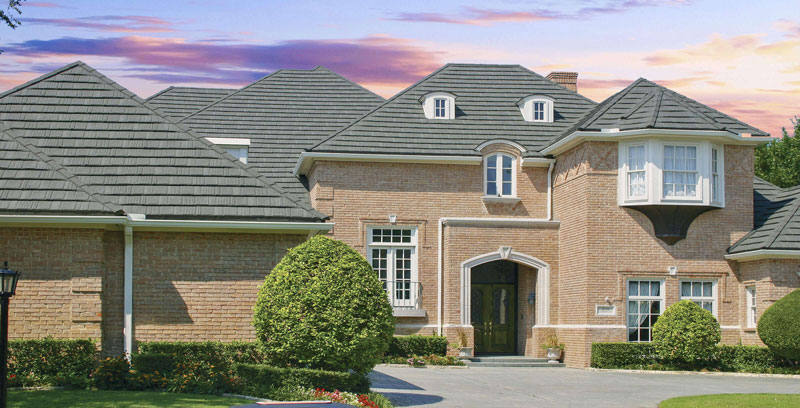
Both roofs beat dark asphalt in Texas sun, in different ways. Standing seam with a cool-pigment PVDF finish reflects sunlight straight back. DECRA installs its panels over an air space, which slows heat moving into the attic. Color matters more than profile: light and mid-tone finishes stay cooler than dark ones.
Solar
Standing seam is the simpler solar roof. Racking clamps grip the seams, so the installer does not drill through the panels. Stone-coated steel can carry solar too, but the mounts usually need flashed attachments through the roof.
Wind
Both systems are fastened to resist uplift. DECRA’s literature lists a 120 mph wind warranty. Standing seam panels lock to concealed clips at every seam, and our mechanically seamed panels give the highest uplift resistance we offer, with engineering available on request.
What Do They Cost, and How Long Do They Last?
The two are closer in price than many people expect. National cost guides in 2026 put stone-coated steel at roughly $12.50 per square foot installed on average, and standing seam at about $10 to $18. Treat both as rough national figures, not DFW quotes.
Our installed price for 24-gauge Galvalume standing seam with a Kynar 500 finish is $15 per square foot of roof, last updated October 2026. Stone-coated steel is quoted per job, because the profile, trim and accessories vary. The metal roof cost page shows what moves the price.
Lifespans are similar. Well-installed metal roofs typically last 40 to 70 years in Texas, compared with about 15 to 20 years for asphalt shingles in the same heat and hail.
What This Means for DFW Homeowners
Neither roof is the right answer for every house. Use these quick rules to narrow it down.
Lean toward stone-coated steel if:
- Your HOA expects a shingle, shake or tile look.
- Hidden hail marks matter to you, or your policy carries a cosmetic exclusion.
- You like the texture and shadow lines of a traditional roof.
Lean toward standing seam if:
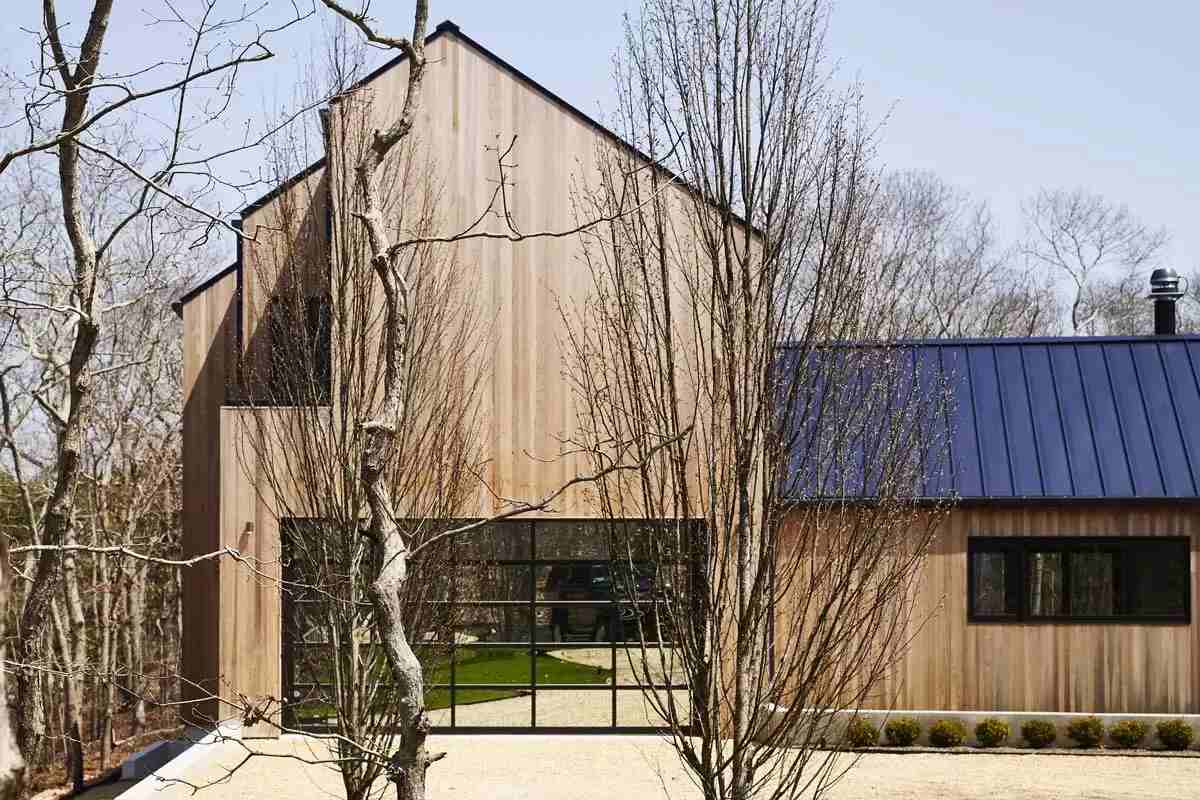
- You want clean modern lines or a farmhouse look.
- You plan to add solar now or later.
- Part of the roof is low-slope, such as a porch or an addition.
- You want copper, zinc or a Tedlar film finish.
Some homeowners land in the middle with metal shingles and shakes, which give a traditional look in painted steel or aluminum. Whichever you choose, ask your insurer about impact-resistance credits before you sign. Our Texas insurance discount guide lists the questions to ask.
Stone-Coated Steel and Standing Seam Questions
Is stone-coated steel better than standing seam for hail?
It hides hail better, but neither one is immune to damage. The granule texture masks small dents that would show on a smooth panel. Both can carry UL 2218 Class 4 ratings when the specific product has been tested. For standing seam, 24-gauge steel and a low-gloss or striated finish narrow the difference in appearance.
Which is cheaper, stone-coated steel or standing seam?
They are often close. National 2026 cost guides put stone-coated steel near $12.50 per square foot installed on average, and standing seam at roughly $10 to $18. Your price depends on roof size, pitch, tear-off, trim and the exact profile. A written estimate for both systems on the same roof is the only fair comparison.
Will my HOA approve a stone-coated steel roof?
It is usually the easier approval. Texas Property Code 202.011 protects impact-resistant and energy-efficient shingles that resemble the neighborhood’s approved shingles and match the surrounding homes. Stone-coated shingle and shake profiles are designed to do exactly that. You still submit the plan, so bring samples and color chips to the review board.
Is stone-coated steel good for solar panels?
It can carry solar, but standing seam is simpler. On standing seam, racking clamps grip the seams and nothing is drilled through the panels. Stone-coated steel usually needs flashed mounts attached through the roof. If solar is in your plans, tell us at the estimate so we can lay out the roof for it.
Which stone-coated steel does PMRS install?
We install DECRA stone-coated steel in five lines: Shake, Shake XD, Shingle XD, Tile and Villa Tile. The ratings and the product warranty come from DECRA, not PMRS, so ask us for the manufacturer’s current documents with your estimate. See our stone-coated steel roofing page for colors and profiles.
Compare Both on Your Roof
Get Side-by-Side Prices for Both Roofs
We will price stone-coated steel and standing seam for the same house, so you can compare looks, specs and cost in one written estimate.